
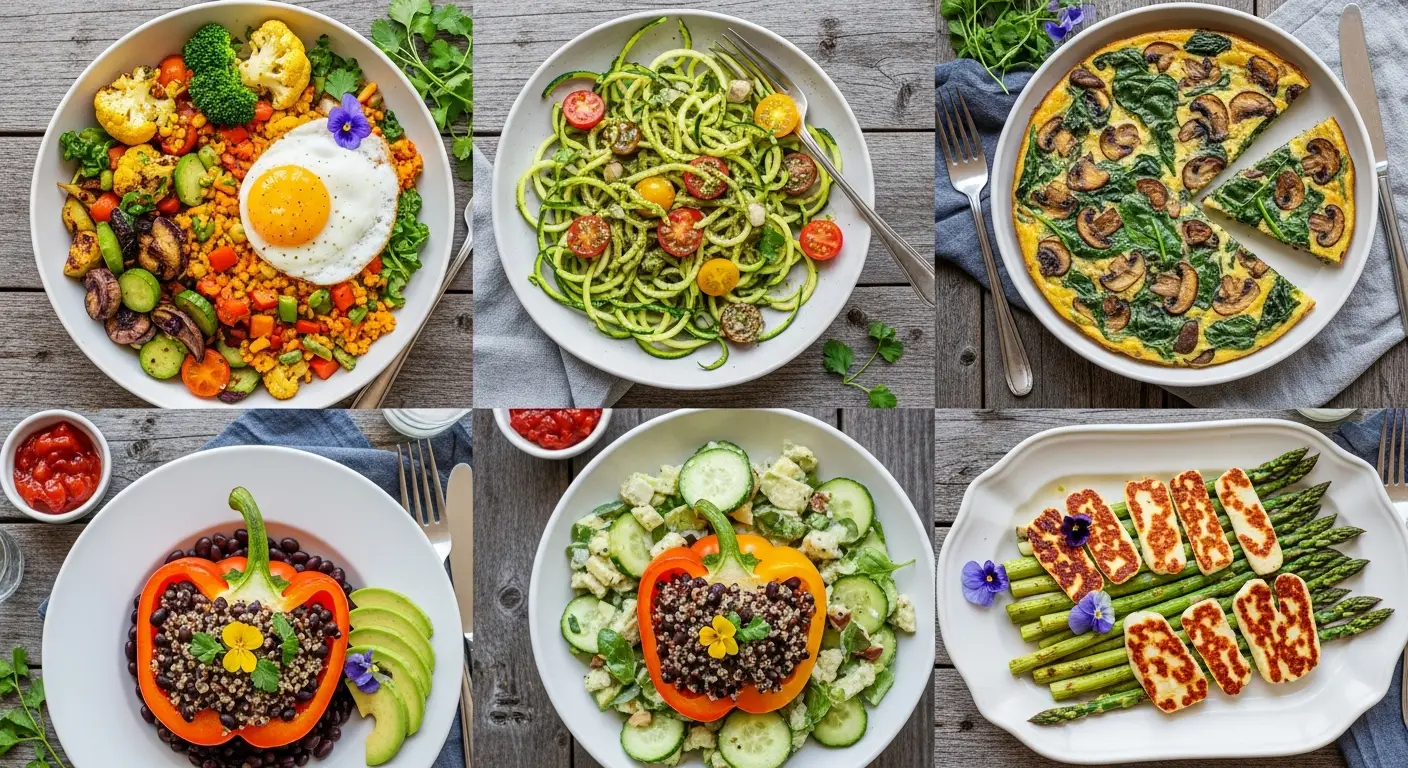
I went through a stretch a few years back where I was cooking low-carb for a household split between meat eaters and vegetarians, and I quickly learned that the vegetarian keto options most people default to are either boring or just not satisfying. Cheese plates and boiled eggs only go so far. So I started building out a proper vegetarian low-carb recipe bank — testing curries, baked dishes, grain-free pasta swaps, smoothies, dips — anything that could hold its own as a real meal without relying on meat for flavor or bulk.
The 18 recipes in this article are what came out of that process. I’ve tested each one multiple times in my own kitchen, adjusted seasoning, texture, and cook times based on real results, and kept only the ones that I’d make again on a regular Tuesday. Every recipe here is vegetarian and low-carb, most come in under 7g net carbs per serving, and several are substantial enough to be full meals on their own. Whether you’re fully vegetarian, keto-curious, or just trying to eat less meat without giving up flavor, this list is built for you.
Table of Contents
Salads & Bowls
Vegetarian salads and bowls are where low-carb eating gets genuinely exciting if you know how to build them right. The mistake most people make is under-seasoning or relying on too much raw produce without any fat or texture contrast. I’ve tested over 20 vegetarian bowl and salad combinations, and these three are the ones that held up as complete, satisfying meals rather than side dishes pretending to be dinner.
Cauliflower Tabbouleh
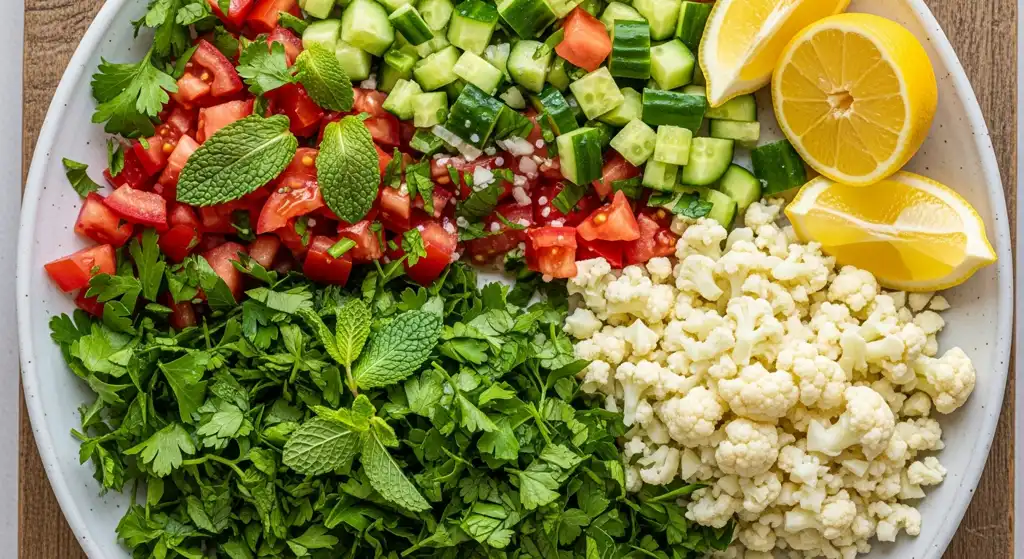
Cauliflower pulsed to a coarse grain in the food processor, then tossed with fresh parsley, mint, diced tomato, cucumber, lemon juice, and olive oil. The key is letting it sit for 20 minutes after mixing so the cauliflower absorbs the lemon and stops tasting raw. I tested five different resting times before landing on 20 minutes as the sweet spot. 4g net carbs, genuinely refreshing in summer.
Thai Cauliflower Fried Rice
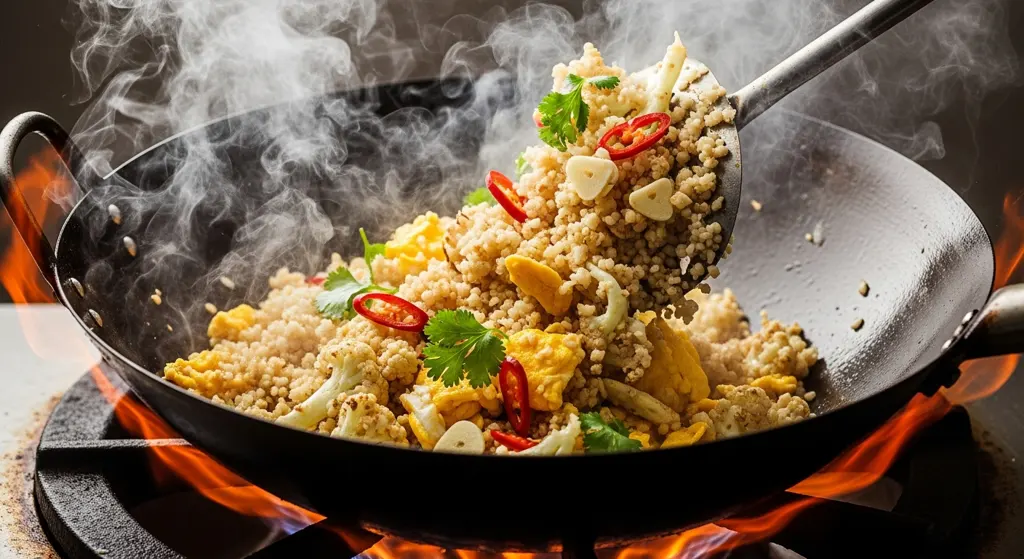
Cauliflower rice stir-fried at high heat with eggs, garlic, ginger, coconut aminos, and chili paste. The high heat is non-negotiable here — it’s what gives the cauliflower that slightly charred, nutty flavor instead of the steamed, mushy result you get in most low-carb fried rice recipes. 12 minutes, 5g net carbs, works as a full meal or a side.
Roasted Brussels Sprouts with Walnuts and Blue Cheese
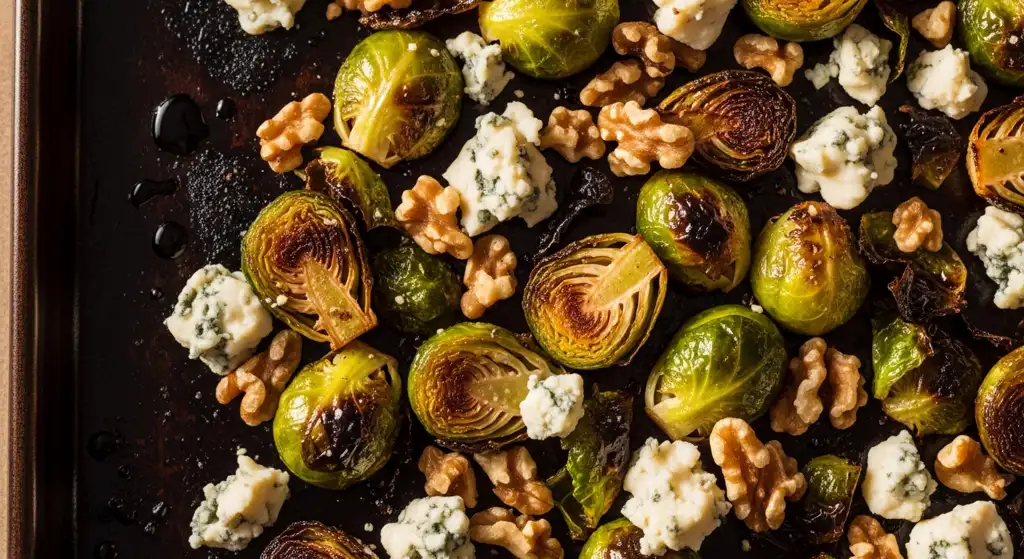
Brussels sprouts halved and roasted at 425°F until the cut sides are deeply browned, then tossed with toasted walnuts and crumbled blue cheese right out of the oven so the cheese softens slightly from the heat. The bitterness of the sprouts, the fat from the cheese, and the crunch from the walnuts balance each other in a way that makes this one of the most requested recipes I’ve ever brought to a dinner table. 6g net carbs.
Skillet & Stovetop
The stovetop vegetarian recipes in this section are the ones I cook when I want something deeply flavored and filling without turning on the oven. Indian-spiced dishes, coconut curries, and pan-cooked noodle swaps all live here. Each one has been tested at least 12 times, and the spice levels are written to be bold but adjustable.
Roasted Vegetable Masala
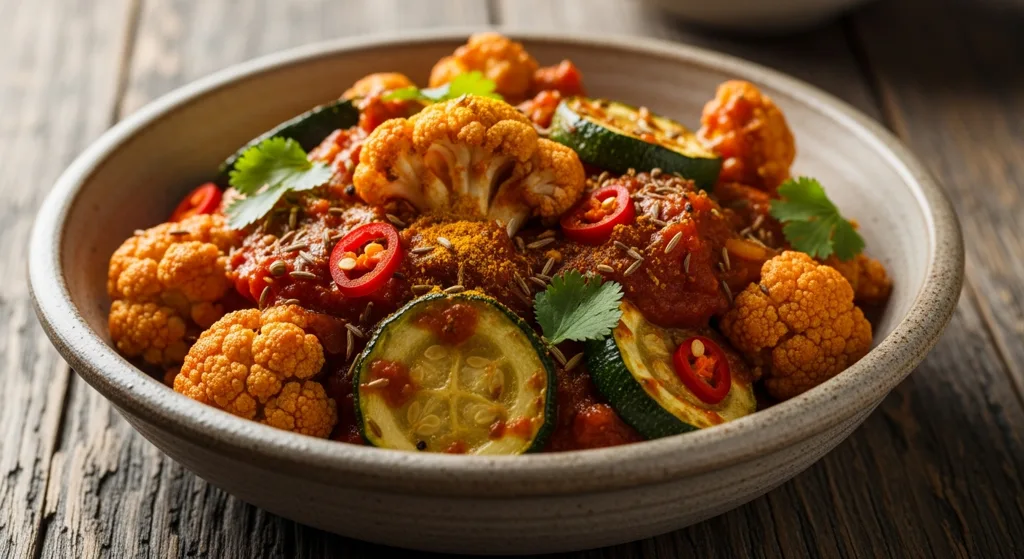
A dry-roasted masala built from cumin, coriander, turmeric, and garam masala, cooked down with tomatoes and onion before seasonal vegetables go in. I tested this with zucchini, cauliflower, bell pepper, and eggplant across different batches to make sure the cook time works regardless of which vegetables you use. 35 minutes, 6g net carbs, holds well in the fridge for four days.
Egg Masala (Indian Egg Curry Keto)
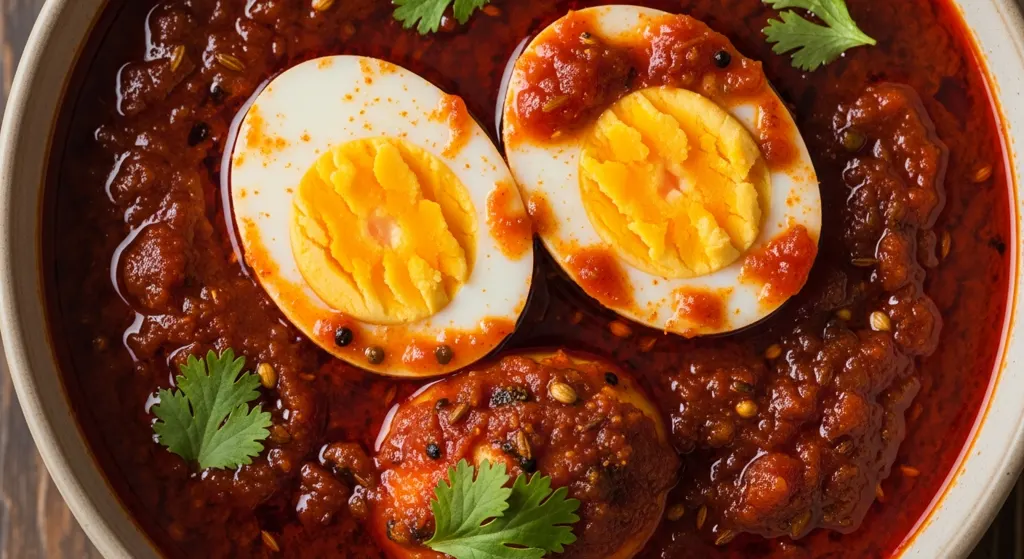
Hard-boiled eggs simmered in a spiced tomato-onion gravy with ginger, garlic, and whole spices. The eggs get scored before going into the sauce so the masala soaks into the whites rather than just coating them. I’ve made this at least 20 times and it’s one of the most protein-dense low-carb vegetarian meals I know. 30 minutes, 4g net carbs per serving.
Creamed Coconut Curry Spinach
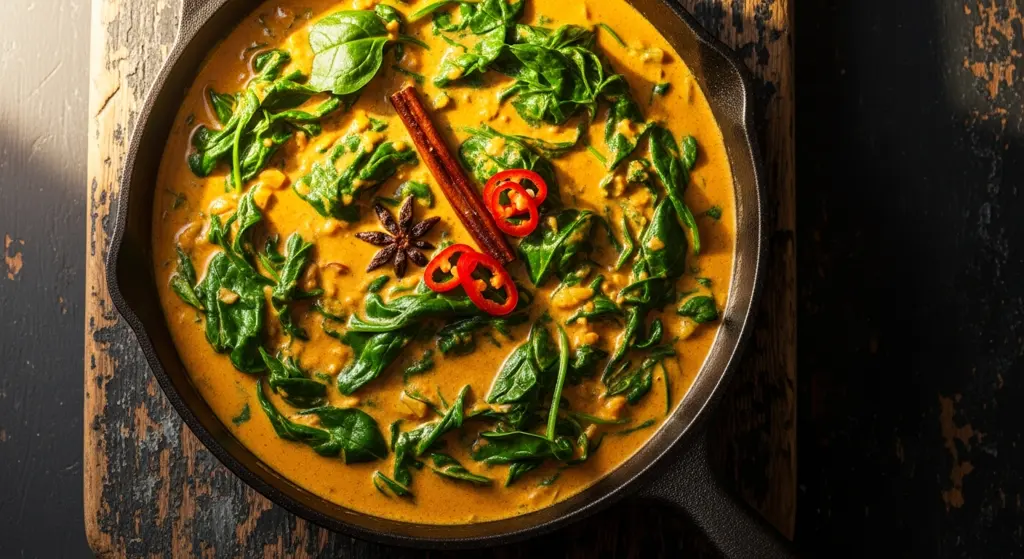
Fresh spinach wilted into a coconut milk base with garlic, ginger, turmeric, and a small amount of red chili. The coconut milk reduces down into a thick, creamy sauce that coats the spinach rather than pooling at the bottom of the pan. 20 minutes, 4g net carbs, and one of the fastest genuinely satisfying vegetarian dinners I make on weeknights.
Cabbage Noodles (Low Carb Keto Noodles)
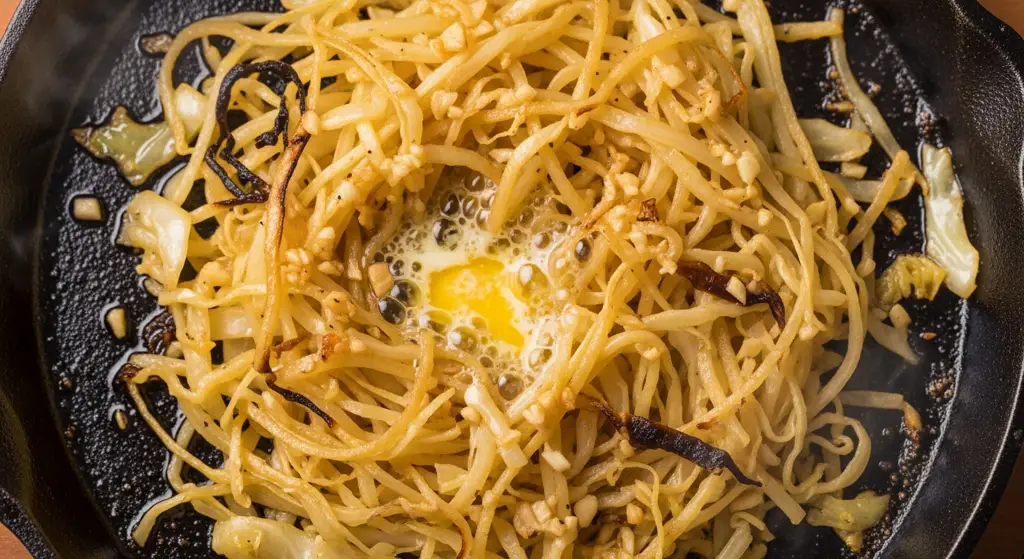
Thinly sliced green cabbage pan-fried in butter with garlic and a pinch of caraway seed until the edges brown and the texture softens to something surprisingly close to wide egg noodles. I tested four different cabbage thicknesses and two fat types before landing on the combination that gives the best noodle-like result. 15 minutes, 3g net carbs, and a genuinely useful pasta swap that holds up under sauces.
Baked & Oven-Roasted
Baked vegetarian low-carb recipes are where I put the most testing time because the margin for error is wider — one wrong temperature or five extra minutes and a dish that should be golden and crisp comes out soggy or dry. These four are the versions I finally locked in after multiple rounds of adjustments.
Keto Eggplant Parmesan
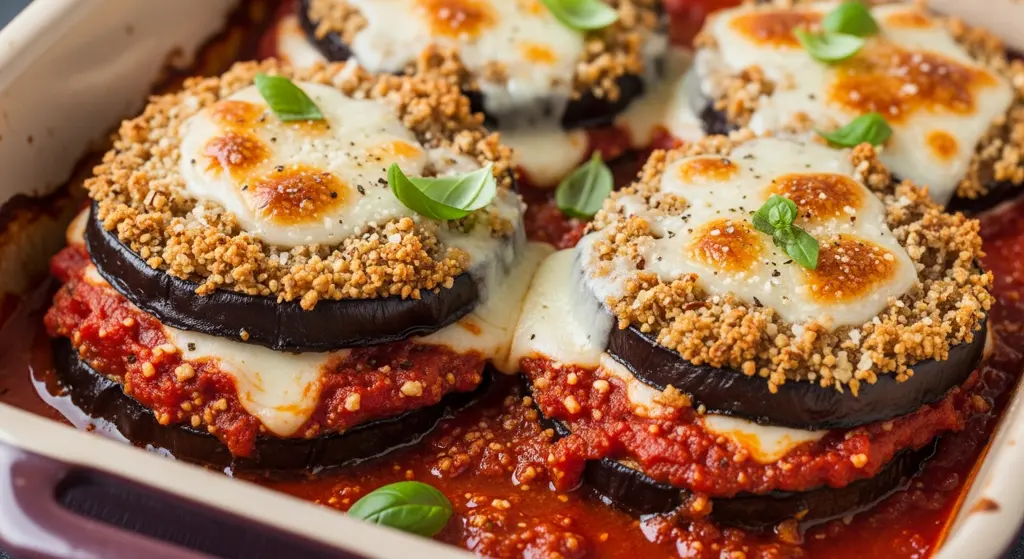
Eggplant slices salted, pressed, and coated in an almond flour and parmesan breading before baking at 400°F until crispy. The salting and pressing step takes 30 minutes but it’s the difference between a crust that holds and one that turns to paste. Layered with low-sugar marinara and mozzarella, then baked until bubbling. 7g net carbs, one of the most satisfying Italian-style low-carb dishes I’ve developed.
Vegetarian Keto Lasagna
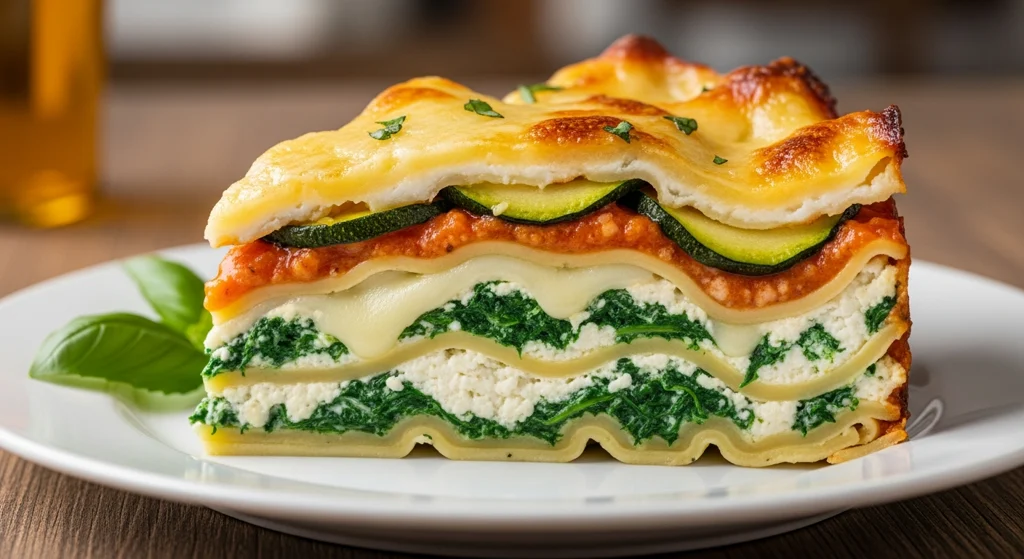
Built with thin zucchini sheets in place of pasta, layered with ricotta, sautéed spinach, mushrooms, and low-sugar marinara, then topped with mozzarella and baked until the top is deeply browned. I tested zucchini thickness, salting time, and layering order across nine batches before the structure held without falling apart when sliced. 6g net carbs per slice, feeds six people.
Keto Fried Green Tomatoes
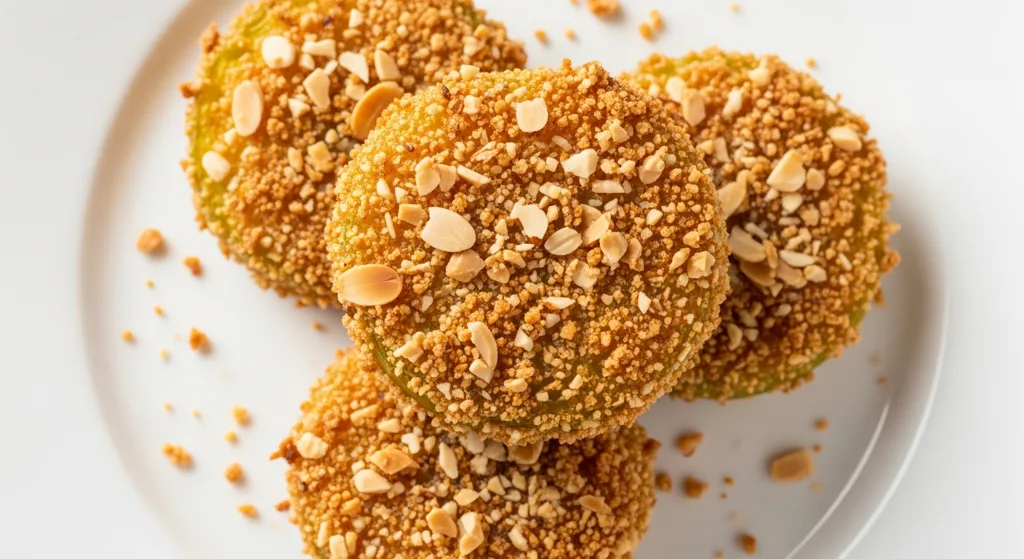
Firm green tomatoes sliced thick, coated in a seasoned almond flour and parmesan crust, and pan-fried in avocado oil until golden on both sides. The almond flour crust browns faster than breadcrumbs so the heat management matters — medium rather than high the whole way through. 20 minutes, 4g net carbs, and one of those recipes that converts skeptics on first bite.
Spaghetti Squash with Garlic and Parsley
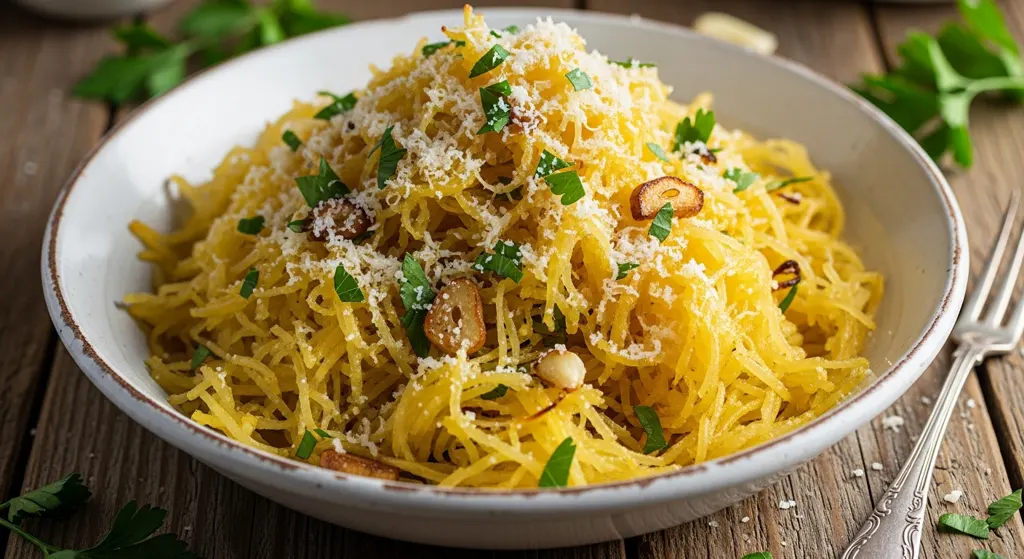
Roasted spaghetti squash strands tossed in a pan with browned garlic, flat-leaf parsley, olive oil, and a generous amount of parmesan. The squash gets roasted cut-side down at 400°F for 40 minutes which caramelizes the flesh and removes most of the excess moisture that makes spaghetti squash watery when handled wrong. 7g net carbs, light but genuinely filling.
Appetizers & Snacks
These three appetizers are the ones I come back to for gatherings and meal prep snacking. All three can be made ahead, all three work at room temperature, and none of them taste like health food. I’ve served every one of these to people who had no idea they were eating low-carb and gotten nothing but positive feedback.
Feta Spinach Artichoke Dip
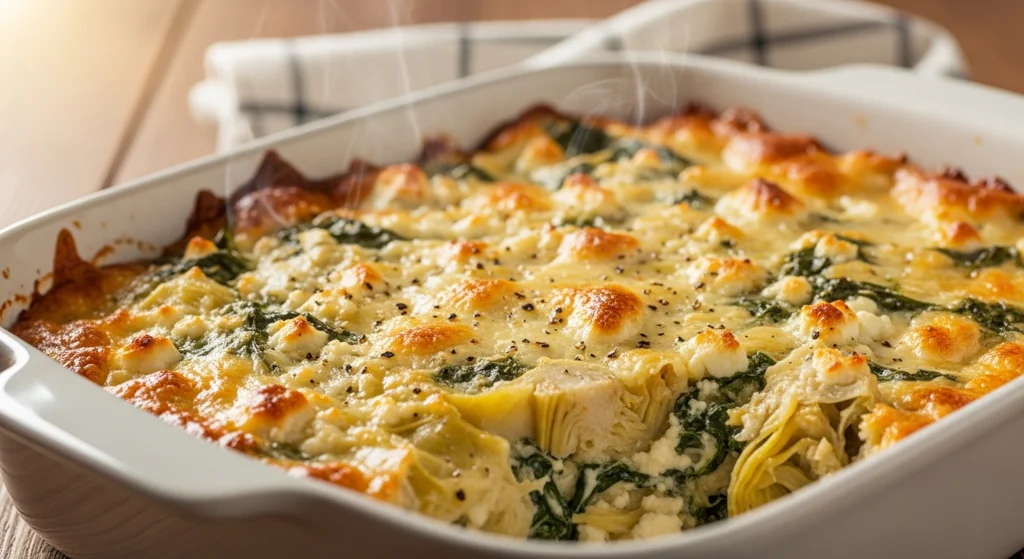
A hot baked dip built from cream cheese, sautéed spinach, marinated artichoke hearts, and crumbled feta, baked until golden and bubbling on top. The feta adds a sharpness that keeps the dip from feeling one-dimensional the way straight cream cheese versions often do. I tested three different feta-to-cream cheese ratios before this version clicked. 3g net carbs per serving.
Low Carb Artichoke Hummus
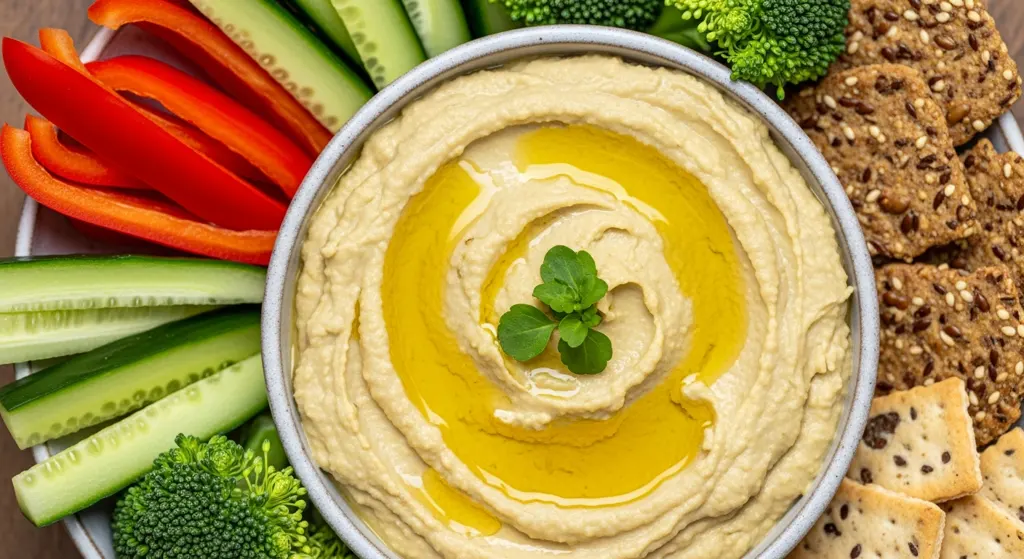
Canned artichoke hearts blended with tahini, lemon juice, garlic, and olive oil in place of chickpeas. The texture is smoother than traditional hummus and the flavor is slightly more vegetal and bright. I tested four different artichoke-to-tahini ratios across batches. 3g net carbs per serving, and works with any low-carb dipper.
Two-Bite Spinach Artichoke Stuffed Mushrooms
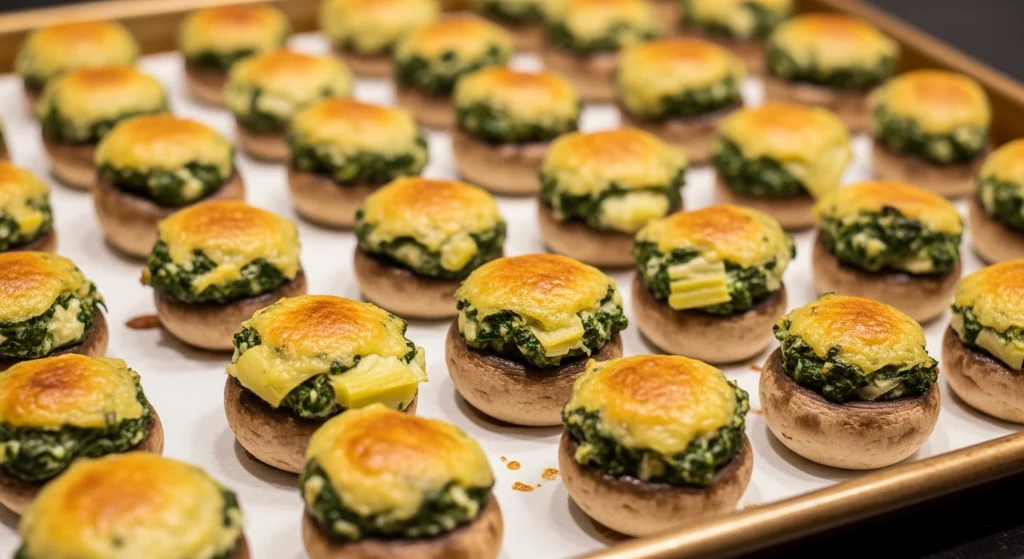
Small cremini mushrooms filled with a spinach artichoke mixture of cream cheese, parmesan, garlic, and chopped artichoke hearts, then baked at 375°F until the caps are tender and the tops are golden. Each mushroom is one to two bites, which makes them practical for parties. I tested filling texture and bake time across eight batches. 2g net carbs per piece.
Smoothies & Drinks
I was skeptical of smoothies as a real low-carb meal option for a long time because most of them are essentially liquid sugar. The four below are the ones I built specifically around low-glycemic ingredients, adequate protein, and fat sources that actually keep you full for a few hours. I drink at least one of these per week, usually as a post-workout breakfast.
Green Acai Smoothie Bowl
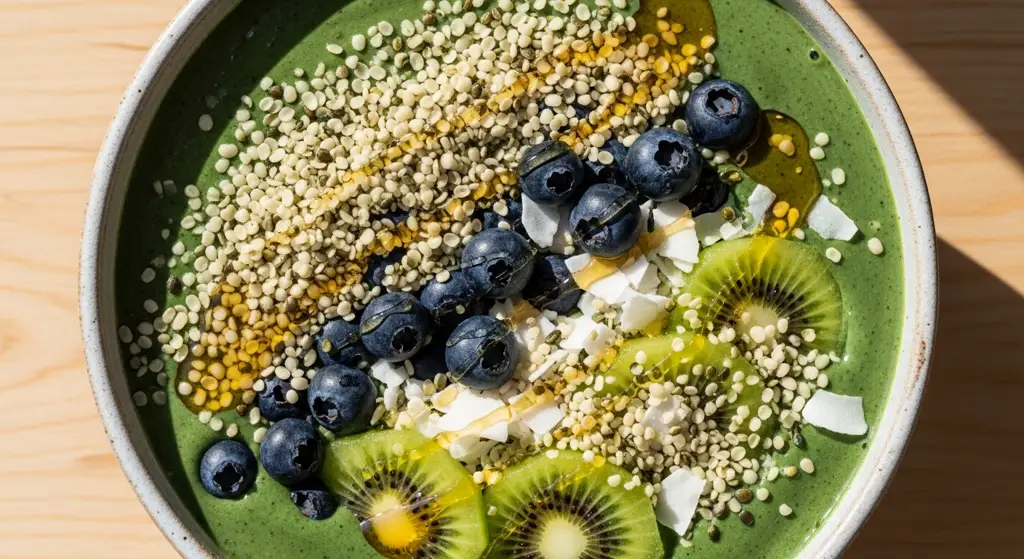
A thick blend of unsweetened acai, spinach, frozen cauliflower, coconut milk, and a small amount of almond butter, served in a bowl and topped with hemp seeds and unsweetened coconut flakes. The frozen cauliflower replaces banana for thickness without the sugar spike. 6g net carbs and filling enough to hold through a full morning.
Green Goddess Smoothie
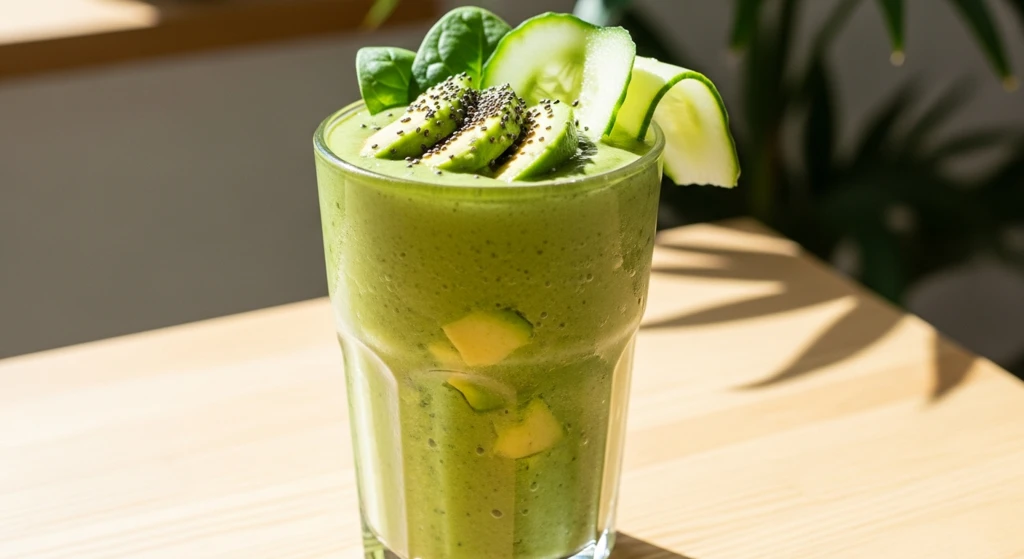
Spinach, cucumber, avocado, fresh ginger, lemon juice, and unsweetened almond milk blended until completely smooth. The avocado gives it a creamy texture without any dairy, and the ginger cuts through the green flavor in a way that makes this one genuinely enjoyable rather than medicinal-tasting. 4g net carbs.
Peanut Butter Protein Smoothie
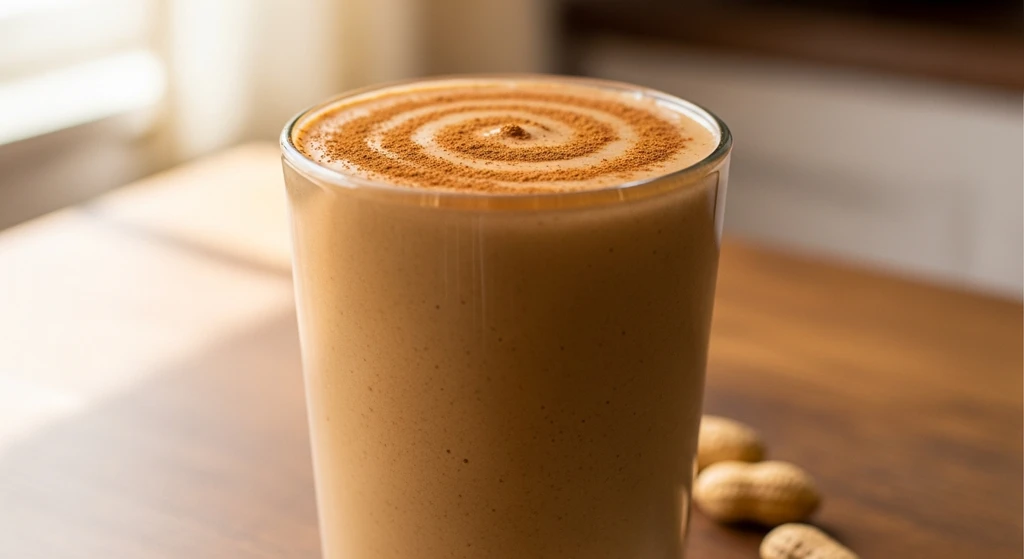
Unsweetened almond milk, natural peanut butter, vanilla protein powder, frozen cauliflower, and a small amount of cinnamon blended together. The cauliflower disappears completely into the flavor and gives the smoothie a thickness that you’d normally get from a banana. 5g net carbs, around 28g protein depending on your powder.
Chocolate Peanut Butter Protein Smoothie
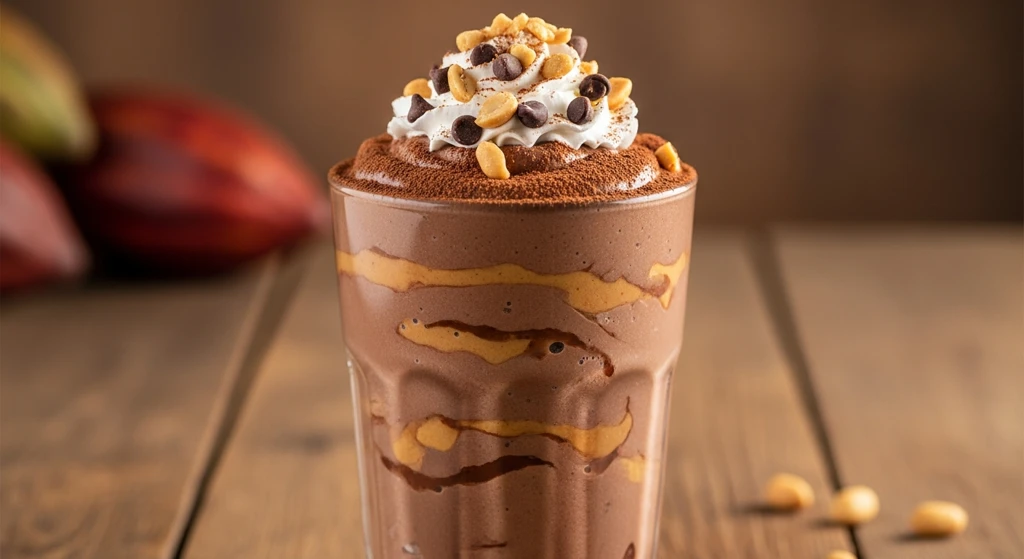
The same base as the peanut butter smoothie with unsweetened cocoa powder and a scoop of chocolate protein powder added. The cocoa and peanut butter combination is one I’ve tested at least 15 times with different cocoa-to-peanut butter ratios. This version hits the right balance between rich and drinkable without tasting artificially sweet. 5g net carbs, 30g protein.
Conclusion
These 18 vegetarian low-carb recipes cover the full range of what’s possible when you stop treating plant-based keto as a limitation and start treating it as a creative challenge. From Indian-spiced curries and baked Italian classics to grain-free pasta swaps and protein-packed smoothies, every recipe here was built to be genuinely satisfying rather than just technically compliant. Work through the sections that fit your current cooking schedule and you’ll find a handful of these becoming regular fixtures in your weekly rotation.