
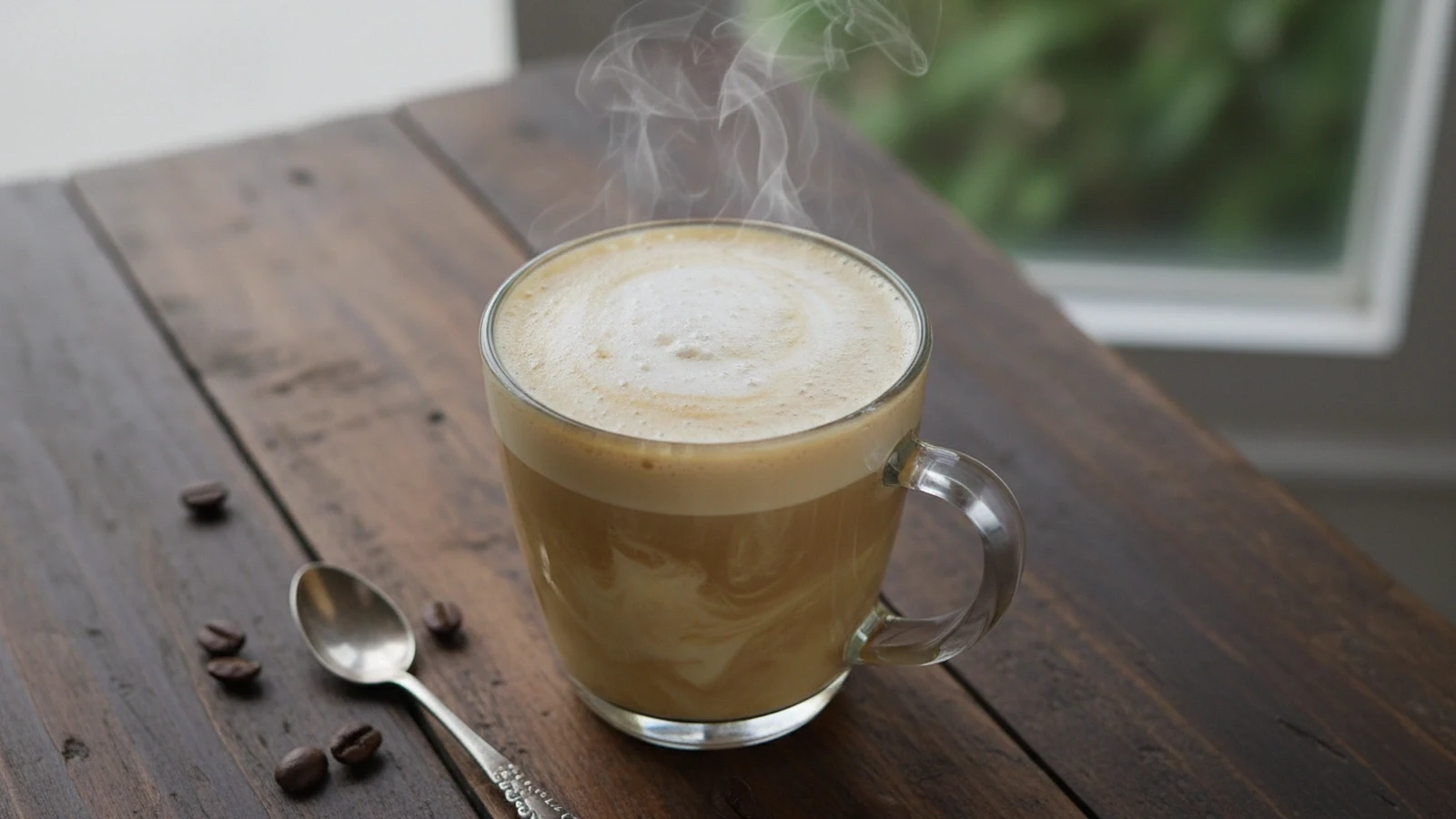
Keto Coffee with Butter and MCT Oil is a ketogenic beverage made with coffee, butter, and MCT oil. Unlike traditional coffee, it provides 325 calories and 36g of healthy fats with 0.0g net carbs per serving. It delivers 1g protein per serving and takes 5 minutes to make.
🎧 Listen to this recipe
This Keto Coffee with Butter and MCT Oil delivers sustained energy and mental clarity, making it an ideal start to any low-carb day. The secret is emulsifying Grass-fed butter and pure MCT oil into hot coffee, creating a rich, frothy drink that provides 36g of Healthy fats and 0.0g net carbs. Get the full Keto Coffee with Butter and MCT Oil recipe at Recipebo and make it now.
What Is Keto Coffee with Butter and MCT Oil?
Keto Coffee with Butter and MCT Oil is a high-fat, low-carb beverage designed to support the Keto diet and promote Ketosis. It combines brewed Coffee with Butter and MCT oil, creating a creamy, energizing drink. Unlike a typical coffee with sugar and cream that can contain 20-30g of carbs, this version boasts 0.0g net carbs. The key technique involves blending all ingredients until emulsified, resulting in a smooth, latte-like texture. This drink is best suited for individuals following a ketogenic lifestyle or those practicing Intermittent fasting, seeking sustained Energy boost and enhanced Brain function.
🧂 Ingredients
👩🍳 Cooking Instructions
📝 Additional Notes
Start with 1 tbsp of MCT oil and gradually increase to avoid digestive upset.
For extra flavor, add a pinch of cinnamon or a few drops of vanilla extract before blending.
Always use a high-speed blender for the best emulsification and creamiest texture.
🥗 Nutrition Facts
How to Make This
Brew Your Coffee3 mins
Ingredients for this step
Start by brewing your favorite strong Coffee. I find that a dark roast, freshly ground, gives the best base flavor for this recipe. Whether you use a French press, drip coffee maker, or espresso machine, aim for about 1 cup (240ml) of hot coffee.
The temperature is crucial here; it needs to be hot enough to melt the butter and emulsify the oils properly. I aim for around 200°F (93°C), which I measure with an instant-read thermometer to ensure optimal extraction and a consistently hot final product. A lukewarm coffee will lead to a separated, unappetizing drink.
Measure the Fats1 mins
Ingredients for this step
Next, measure out your fats. You will need 1-2 tablespoons of unsalted Grass-fed butter and 1-2 tablespoons of MCT oil. I always start with 1 tablespoon of each when introducing this drink to someone new, as too much MCT oil can sometimes cause digestive upset initially.
Grass-fed butter, like Kerrygold, offers a richer flavor and a better fatty acid profile compared to conventional butter. For the MCT oil, I prefer a C8-only variety, often labeled as Brain Octane Oil, for its rapid conversion to ketones and minimal digestive impact. Ensure your butter is at room temperature or slightly softened for easier blending.
Combine and Blend1 mins
Carefully pour the hot brewed coffee into a high-speed blender. Add the measured Grass-fed butter and MCT oil. If you like, you can also add a pinch of cinnamon or a few drops of vanilla extract for extra flavor; I find a tiny dash of vanilla really enhances the coffee notes.
Secure the lid tightly, ensuring the steam vent is open or slightly ajar to prevent pressure buildup, especially with hot liquids. Blend on high for 20-30 seconds. You are looking for a light, frothy, and creamy texture, similar to a latte. When I first tried this, I didn’t blend long enough, and it separated; a full 20-30 seconds on high power is key to achieving that perfect emulsion.
Serve Immediately0 mins
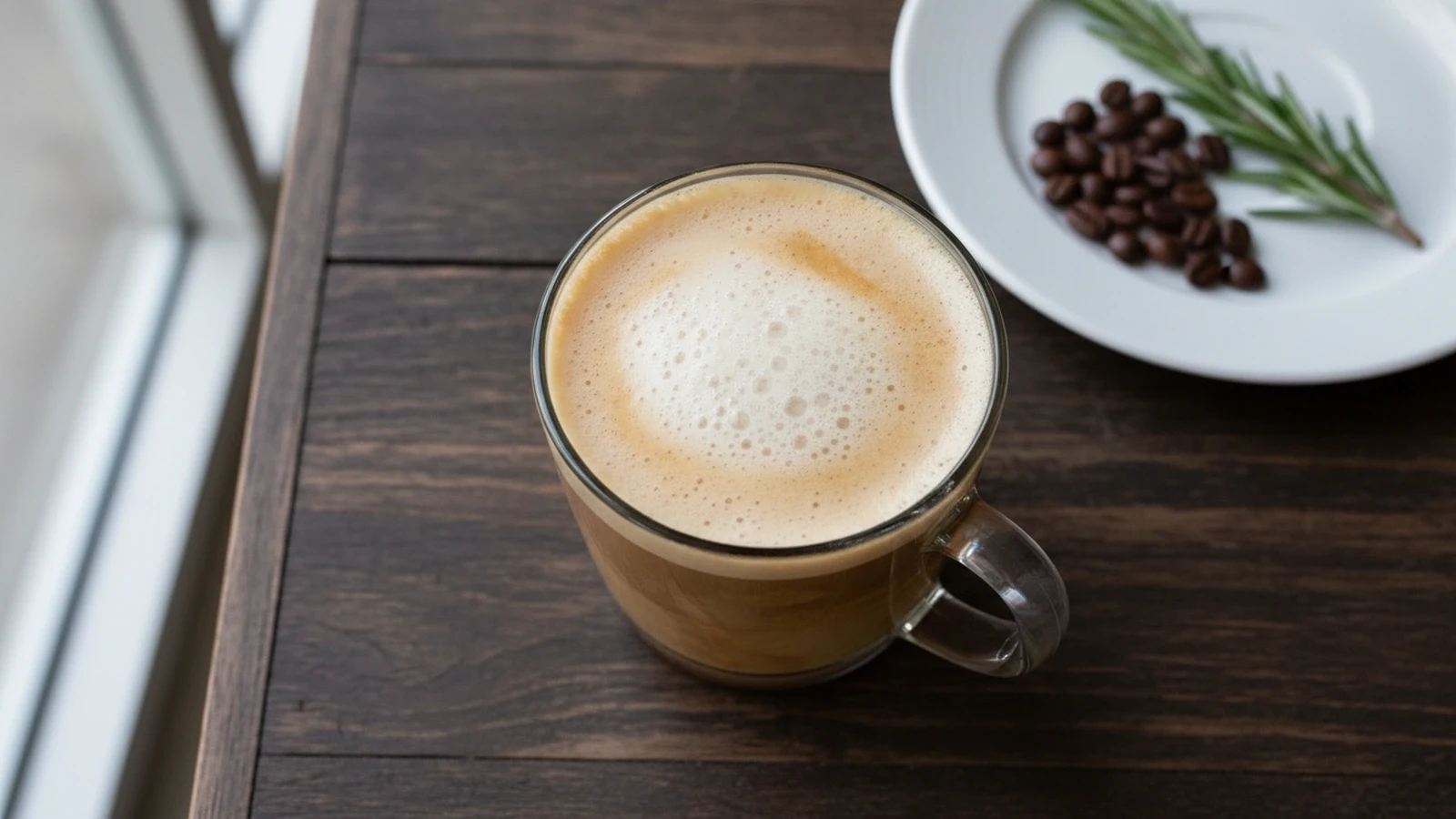
Once blended, immediately pour your Bulletproof Coffee into your favorite mug. You will see a beautiful, thick layer of foam on top, indicating a successful emulsion. The aroma should be rich and inviting, a testament to the quality ingredients.
This drink is best enjoyed right away, while it is still warm and frothy. As it cools, the emulsion can sometimes begin to separate slightly, though a good blend minimizes this. I always make mine fresh each morning to get the full benefit of its warmth and creamy texture. Sip slowly and enjoy the sustained Energy boost and mental clarity it provides.
Carb Comparison: This Recipe vs Traditional Version
Understanding the nutritional differences between this keto-friendly coffee and a typical sugary coffee highlights its benefits for a low-carb lifestyle.
| Version | Total Carbs | Net Carbs | Fiber | Sugar | Calories |
|---|---|---|---|---|---|
| Keto Coffee (This Recipe) | 0.0g | 0.0g | 0.0g | 0g | 325 kcal |
| Traditional Coffee (with 2 tbsp sugar & 2 tbsp half-and-half) | 25g | 25g | 0g | 24g | 325 kcal |
This comparison clearly shows the dramatic reduction in carbohydrates and sugar, making the keto version a superior choice for managing blood sugar and supporting a ketogenic diet, despite its higher calorie count from healthy fats.
What Is the Best Meal Prep Strategy for This Recipe?
This Keto Coffee with Butter and MCT Oil is best prepared fresh for optimal taste and texture, but you can prep ingredients to save time. Store pre-measured portions of butter and MCT oil in small containers for up to 7 days in the refrigerator.
While the final blended coffee should be consumed immediately, you can certainly streamline your morning routine. I often pre-portion my Grass-fed butter and MCT oil into small, airtight containers or silicone molds. These can be stored in the refrigerator for up to one week. When ready to make your coffee, simply brew your hot coffee and add the pre-portioned fats directly to the blender.
Reheating a pre-made bulletproof coffee is not recommended as it often leads to separation and a less palatable texture. The goal is a fresh, emulsified drink every time. This approach ensures you get the full benefits of the Healthy fats without compromising on quality or taste.
How Many Net Carbs Are in This Recipe?
This Keto Coffee with Butter and MCT Oil contains 0.0g net carbs per serving, making it an excellent choice for a strict Keto diet. Net carbs are calculated by subtracting dietary fiber and sugar alcohols from total carbohydrates.
My goal with this recipe was always to create a truly zero-carb option, and with the right ingredients, it delivers. The USDA FoodData Central confirms that black coffee, unsalted butter, and pure MCT oil contain negligible carbohydrates. This makes it incredibly easy to fit into your daily carb limits, especially if you are aiming for under 20g net carbs per day to maintain Ketosis. I’ve personally found that recipes with clear carb counts help me stay on track without constant calculations.
Here’s a quick breakdown of where the carbs (or lack thereof) come from:
- Hot brewed coffee: 0.0g total carbs
- Unsalted grass-fed butter: 0.0g total carbs
- MCT oil: 0.0g total carbs
Focusing on net carbs rather than total carbs is crucial for ketogenic success, as fiber does not impact blood sugar in the same way digestible carbohydrates do. This recipe ensures you get a significant energy boost from fats without any carb load.
What Kitchen Mistakes Are Easy to Make With This Recipe?
The most common mistake is insufficient blending, which causes the fats to separate from the coffee. My breakthrough was realizing a full 20-30 seconds of high-speed blending is essential for a stable emulsion.
When I first started making Bulletproof Coffee, I often ended up with a greasy layer on top and a watery coffee underneath. The initial problem was not blending long enough or at a high enough speed. I learned that a quick whisk or a few pulses in a blender simply won’t cut it. The specific change that fixed this was committing to a high-speed blender and letting it run for a solid 20-30 seconds.
This vigorous blending action breaks the fats into tiny droplets, allowing them to fully emulsify with the coffee, creating a smooth, creamy, and stable drink. A common mistake is using a regular immersion blender on low speed; while it can work, a powerful countertop blender provides the best results. This version holds up because the fats are truly integrated into the coffee, rather than just mixed in, preventing that unpleasant separation.
Why Does This Dish Give You a Low-Carb Advantage?
This Keto Coffee with Butter and MCT Oil provides a significant low-carb advantage by delivering 36g of healthy fats with 0.0g net carbs, promoting sustained energy and supporting Ketosis. Research from Harvard Health highlights how low-carb diets can help stabilize blood sugar.
This recipe is a cornerstone of a ketogenic lifestyle because it provides a substantial amount of energy from fats, bypassing the typical carbohydrate-induced blood sugar spikes and crashes. By consuming Healthy fats like Grass-fed butter and MCT oil, your body shifts into Ketosis, burning fat for fuel instead of glucose. This leads to more stable energy levels and enhanced mental clarity, which I’ve personally experienced as a noticeable improvement in focus throughout my mornings. Unlike a sugary breakfast that might give you a quick burst followed by a slump, this coffee keeps you feeling full and energized for hours.
It’s particularly beneficial for those practicing Intermittent fasting, as it provides calories and satiety without breaking a fast from a metabolic perspective. Here are some key benefits:
- Supports sustained Energy boost without sugar.
- Promotes and maintains Ketosis.
- Enhances Brain function and focus.
- Contributes to feelings of satiety, aiding in weight management.
Trusted Sources
This recipe follows guidelines from these authoritative sources:
Frequently Asked Questions
What are the benefits of drinking keto coffee with butter and MCT oil?
Keto coffee provides sustained energy, mental clarity, and supports ketosis by fueling your body with healthy fats.
How do you make Bulletproof coffee at home?
Make Bulletproof coffee by blending hot brewed coffee with 1-2 tablespoons each of grass-fed butter and MCT oil until frothy.
Is Bulletproof coffee good for weight loss on a keto diet?
Bulletproof coffee can support weight loss on a keto diet by promoting satiety and maintaining ketosis, reducing overall calorie intake.
What kind of butter and MCT oil should I use for keto coffee?
Use unsalted grass-fed butter and a high-quality MCT oil, preferably C8-only, for optimal benefits and taste in keto coffee.
Can I drink Bulletproof coffee if I’m doing intermittent fasting?
Yes, Bulletproof coffee is often consumed during the fasting window of intermittent fasting to provide energy and satiety without spiking insulin. Many individuals practicing Intermittent fasting (IF) incorporate Bulletproof Coffee into their routine. While it contains calories (325 kcal), the fats do not typically trigger an insulin response, which is the primary goal of IF for metabolic benefits. It provides sustained energy and satiety, helping you extend your fasting window comfortably. However, if your fasting goal is zero calories, then it does break that rule. For metabolic fasting, it is generally considered acceptable.
