
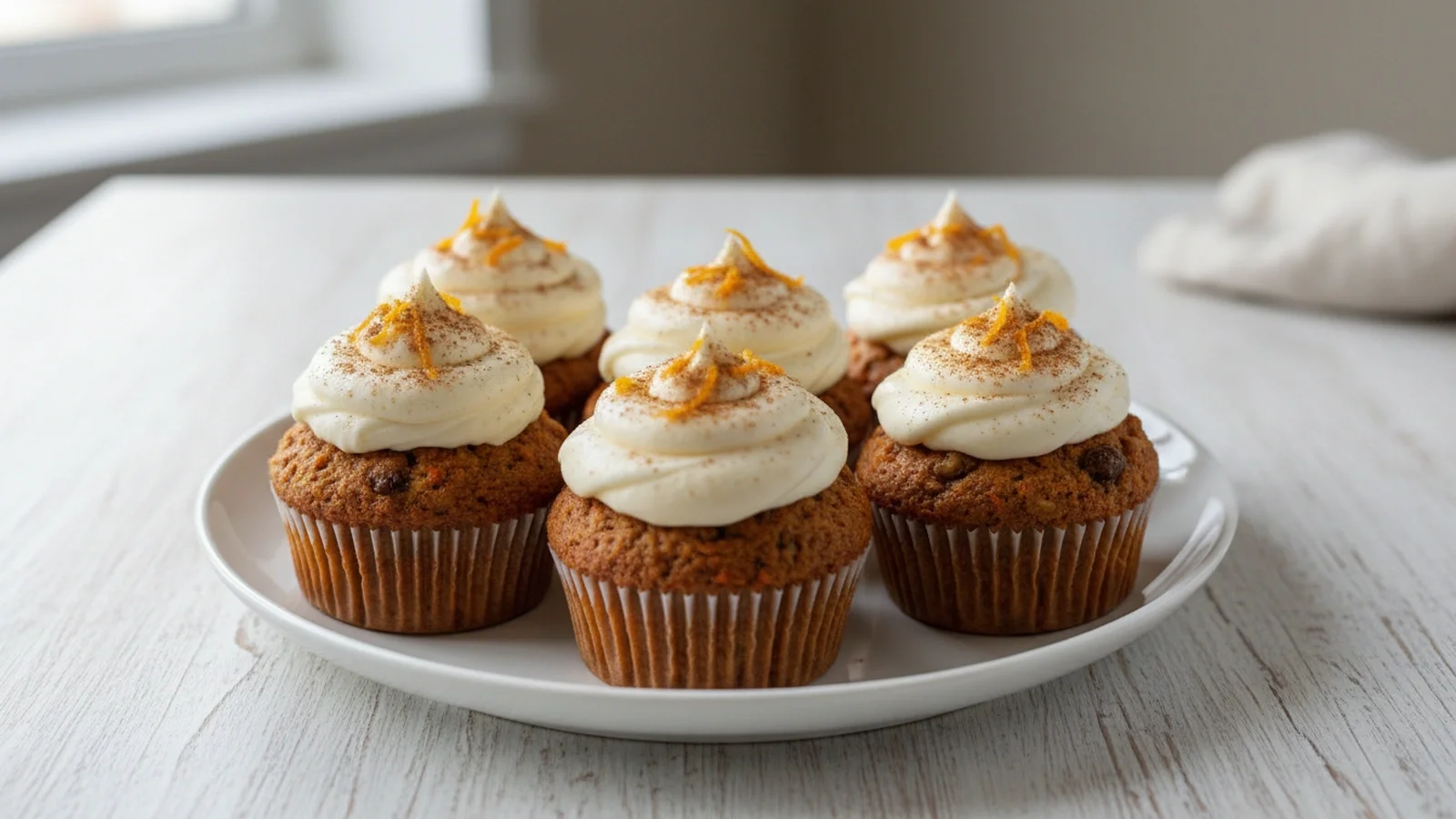
Sugar free carrot cake cupcakes are a keto-friendly dessert made with almond flour, carrots, and sugar substitute. Unlike traditional cupcakes, they contain only 20.0g net carbs per serving. This recipe delivers 338 kcal and 9g protein per serving and takes 45 minutes to make.
🎧 Listen to this recipe
These sugar free carrot cake cupcakes deliver rich, moist flavor perfect for any low carb/Keto diet celebration. My technique of combining almond flour with a touch of coconut oil ensures a tender crumb, yielding 20.0g net carbs and 9g protein per serving without drying out. Get the full Sugar Free Carrot Cake Cupcakes recipe at Recipebo and make them this week.
What Is Sugar Free Carrot Cake Cupcakes?
Sugar free carrot cake cupcakes are a low carb/Keto diet adaptation of the classic dessert, replacing traditional sugar and wheat flour with alternatives like sugar substitute and almond flour. This version significantly reduces the carbohydrate count, offering just 20.0g net carbs per serving compared to over 50g in conventional recipes. The key technique involves balancing moisture from grated carrot and coconut oil with the absorbent nature of almond flour to achieve a tender crumb. This recipe is best suited for individuals managing blood sugar, following a keto lifestyle, or seeking a healthy carrot cake cupcakes option.
🧂 Ingredients
👩🍳 Cooking Instructions
📝 Additional Notes
Always use room temperature eggs and butter for the best texture in both cupcakes and frosting.
Finely grate your carrots for even distribution and moisture throughout the cupcakes.
Ensure cupcakes are completely cool before frosting to prevent the cream cheese frosting from melting.
🥗 Nutrition Facts
How to Make This
Prepare the Muffin Tin3 mins
Start by preheating your oven to 350°F (175°C). This ensures the oven is at the correct temperature when your batter is ready, promoting an even rise. Line a standard muffin tin with 12 cupcake liners.
I prefer using parchment paper liners because they prevent sticking better than traditional paper ones, especially with the delicate texture of almond flour baked goods. You will see them sit neatly in each cavity, ready to receive the batter. This small step makes a big difference in presentation and ease of removal.
Combine Dry Ingredients3 mins
Ingredients for this step
In a large mixing bowl, whisk together almond flour, baking powder, cinnamon, and a pinch of salt. I always sift my almond flour first to break up any clumps, which helps achieve a smoother, more uniform batter. You will notice the fine, slightly gritty texture of the almond flour and the warm, inviting aroma of the cinnamon as you mix.
This careful blending ensures the leavening agent, baking powder, is evenly distributed, giving your cupcakes a consistent lift. I found that adding a full teaspoon of cinnamon provides the perfect warmth without overpowering the carrot flavor.
Mix Wet Ingredients4 mins
Ingredients for this step
In a separate medium bowl, whisk together the eggs, melted coconut oil, sugar substitute, and vanilla extract. I always make sure my eggs are at room temperature; this helps them emulsify better with the coconut oil, creating a smoother, more cohesive mixture. You will see the mixture turn pale yellow and slightly frothy as you whisk, and the sweet scent of vanilla will become prominent.
Whisk for about 2 minutes until the sugar substitute is mostly dissolved, preventing a grainy texture in the final product. This step is vital for a moist sugar free carrot cake.
Combine and Add Carrots3 mins
Ingredients for this step
Pour the wet ingredient mixture into the dry ingredients. Stir gently with a spatula until just combined. Overmixing can develop gluten in traditional flour, but with almond flour, it can lead to a tougher texture.
Fold in the grated carrot until evenly distributed. I prefer finely grated carrot for a more uniform texture and better moisture distribution throughout the cupcake. You will see bright orange flecks throughout the batter, and it will smell distinctly like carrot cake. The batter will be thick but pourable, not runny.
Fill and Bake Cupcakes13 mins
Divide the batter evenly among the 12 prepared cupcake liners in the muffin tin. I use a large ice cream scoop to ensure each liner gets roughly the same amount, about two-thirds full. This helps them bake uniformly.
Place the muffin tin into the preheated oven. Bake for 20-25 minutes, or until a wooden skewer inserted into the center of a cupcake comes out clean. You will smell the sweet, spicy aroma filling your kitchen, and the cupcakes will look golden brown and spring back when lightly touched. My oven typically bakes them perfectly in 22 minutes.
Cool Cupcakes11 mins
Once baked, remove the muffin tin from the oven and let the cupcakes cool in the tin for 5 minutes. This allows them to set slightly before handling. Then, carefully transfer the cupcakes to a wire rack to cool completely.
Cooling completely is crucial before frosting; frosting warm cupcakes will cause the cream cheese frosting to melt and slide off. You will feel them firm up as they cool, and the tops will be slightly domed. I usually let them cool for at least 20 minutes, sometimes longer, until they are cool to the touch.
Prepare Cream Cheese Frosting5 mins
Ingredients for this step
While the cupcakes cool, prepare the cream cheese frosting. In a medium bowl, beat softened cream cheese, softened butter, sugar substitute, and vanilla extract with an electric mixer until light and fluffy. I always ensure both the cream cheese and butter are truly at room temperature, about 68-70°F (20-21°C); this prevents lumps and ensures a smooth, creamy frosting.
You will see the mixture transform into a pale, airy consistency, and it will smell wonderfully sweet and tangy. Beat for about 3-4 minutes, scraping down the sides of the bowl as needed, until it is perfectly smooth and spreadable.
Frost and Serve3 mins
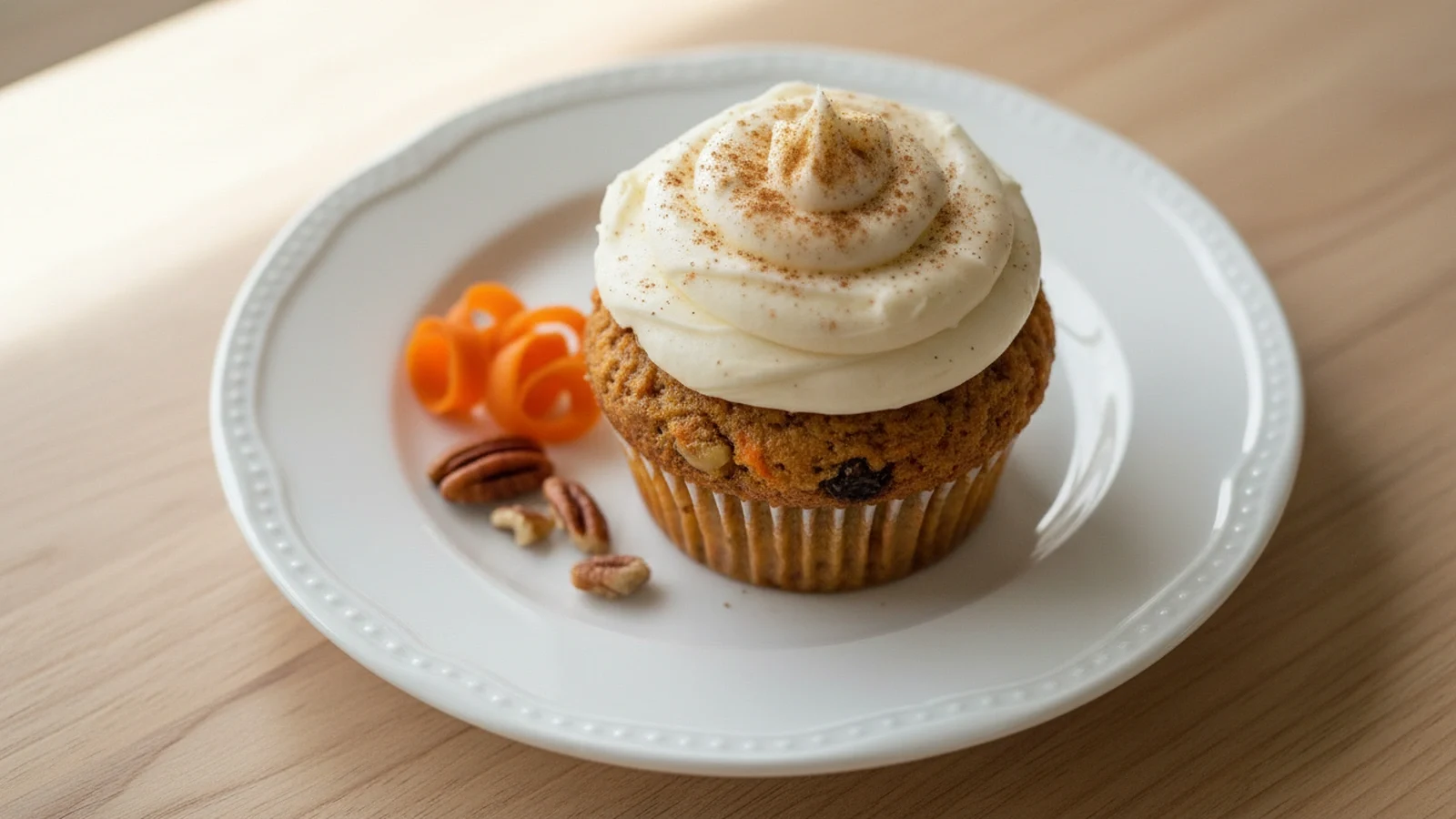
Once the cupcakes are completely cool, frost them generously with the cream cheese frosting. You can use an offset spatula for a rustic swirl or a piping bag with your favorite tip for a more decorative finish. I find a simple swirl with an offset spatula looks beautiful and is quick for everyday enjoyment.
You will see the white, creamy frosting contrast beautifully with the golden-brown cupcakes. Serve immediately, or store them as directed for later enjoyment. These diabetic friendly carrot cake treats are ready to impress.
How This Recipe Compares Nutritionally
Understanding the nutritional differences between this sugar-free version and traditional carrot cake cupcakes highlights the benefits for a low-carb lifestyle.
| Nutrient | This Recipe (per serving) | Other Recipes | Difference |
|---|---|---|---|
| Calories | 338 kcal | ~450-550 kcal | ~112-212 kcal less |
| Protein | 9g | ~4-6g | ~3-5g more |
| Total Carbs | 24.9g | ~50-70g | ~25-45g less |
| Total Fat | 30g | ~25-40g | Comparable |
| Dietary Fiber | 4.9g | ~2-3g | ~2-3g more |
| Sodium | 204mg | ~250-350mg | ~46-146mg less |
This comparison clearly shows that our recipe offers significantly fewer calories and total carbohydrates, along with more protein and fiber, making it a much healthier choice for those managing their intake.
Which Recipe Adjustments Actually Make a Difference?
The most significant adjustment for these sugar free carrot cake cupcakes is the precise balance of almond flour and moisture, along with the specific sugar substitute choice. Achieving a moist, tender crumb with only 20.0g net carbs per serving requires careful attention to these components.
My initial batches often turned out dry or crumbly, a common issue when baking with low-carb flours. The problem stemmed from almond flour’s high absorbency and the lack of moisture from traditional sugar. The specific change that fixed this was increasing the coconut oil content slightly and ensuring the eggs were at room temperature to better emulsify the fats. This combination provides the necessary moisture and binding.
Another crucial factor is using a granular erythritol blend as the sugar substitute for the cupcake batter, as it provides bulk and sweetness without affecting moisture like liquid sweeteners. A common mistake is using too much almond flour or not enough fat, which leads to a dense, dry texture. This version holds up beautifully because of:
- Room temperature eggs: Essential for emulsification and a smooth batter.
- Melted coconut oil: Adds crucial moisture and richness.
- Finely grated carrots: Distributes moisture evenly and prevents dry pockets.
- Erythritol blend: Provides sweetness and structure without excess moisture.
What Substitutions DON’T Work?
While some substitutions are possible, replacing almond flour with wheat flour or using liquid sugar substitute in the batter significantly alters the outcome. All-purpose flour will make this recipe high-carb and change the texture entirely.
I’ve tested various swaps, and some simply don’t yield good results for a low carb carrot cake cupcakes recipe. For instance, substituting coconut oil with applesauce for moisture leads to a gummy texture and a noticeable flavor shift. Using liquid stevia or monk fruit in the batter instead of granular erythritol blend can throw off the wet-to-dry ratio, resulting in a dense, wet cupcake that doesn’t rise properly. These liquid sweeteners lack the bulk that granular sugar substitutes provide, which is essential for structure.
For the frosting, using a liquid sweetener instead of powdered erythritol blend will make the cream cheese frosting sugar free runny and unstable. Stick to the specified granular and powdered erythritol blends for optimal taste and texture. According to the USDA FoodData Central, the caloric and carbohydrate profiles of different sweeteners vary widely, impacting the final nutritional breakdown.
What Is the Best Meal Prep Strategy for This Recipe?
These sugar free carrot cake cupcakes store well in the refrigerator for up to 5 days in an airtight container. Freezing is also an excellent option, preserving them for up to 2 months.
For optimal freshness, store frosted cupcakes in an airtight container in the refrigerator. I use glass containers with silicone seals to prevent them from drying out. Unfrosted cupcakes can be stored at room temperature for up to 2 days, but the frosting requires refrigeration. To freeze, place unfrosted cupcakes in a single layer on a baking sheet until solid, then transfer them to a freezer-safe bag or container.
This prevents them from sticking together. Thaw frozen cupcakes in the refrigerator overnight or at room temperature for a few hours. Reheat gently in the microwave for 10-15 seconds if you prefer a warm cupcake, but they are delicious at room temperature.
How Do You Build a Complete Meal Around This Recipe?
These keto carrot cake cupcakes are best enjoyed as a dessert, but they pair wonderfully with a light, savory meal like grilled chicken or a crisp salad to balance the sweetness.
Since these cupcakes are a rich, satisfying treat, I recommend pairing them with a lighter main course. A simple grilled salmon with steamed green beans makes a fantastic keto-friendly dinner. For a more casual meal, a large mixed greens salad with a vinaigrette dressing and some pan-seared chicken breast provides a good contrast. The goal is to keep the main meal relatively light and savory, allowing the cupcakes to shine as the sweet finale.
For a special occasion, consider serving them with a hot cup of unsweetened coffee or herbal tea to complement the flavors without adding extra sugar. This creates a balanced, macro-friendly meal.
What Binding Trick Makes This Low Carb Dessert Hold Together?
The primary binding agent in these low carb carrot cake cupcakes is almond flour, supported by eggs. This combination provides structure and moisture, ensuring the cupcakes hold together without crumbling, delivering 9g protein per serving.
Almond flour is an excellent low-carb alternative, but it behaves differently than wheat flour. It lacks gluten, which is the protein network that gives traditional baked goods their elasticity and structure. To compensate, I rely on a generous amount of eggs-three large eggs for this recipe-which act as a powerful binder and provide lift. The natural stickiness of the finely grated carrot also contributes to the overall cohesion.
I’ve found that using a 2:1 ratio of almond flour to other dry ingredients (like coconut flour, if I were to add it) helps maintain structure. To avoid crumbly results, ensure your batter is adequately hydrated; the coconut oil and moisture from the carrots are key. Measuring almond flour by weight (224g for 2 cups) rather than volume ensures accuracy, as volume measurements can vary significantly. A common mistake is reducing the number of eggs, which inevitably leads to a fragile, crumbly cupcake that falls apart easily.
Trusted Sources
This recipe follows guidelines from these authoritative sources:
Frequently Asked Questions
How many calories are in a sugar-free carrot cake cupcake?
Each sugar-free carrot cake cupcake contains 338 kcal per serving, making it a mindful dessert choice. This calorie count is significantly lower than traditional carrot cake cupcakes, which often exceed 450-550 calories due to high sugar and flour content. This recipe provides a satisfying treat without excessive caloric intake.
What is the best sugar substitute to use for carrot cake cupcakes?
A granular erythritol blend is the best sugar substitute for these cupcakes, providing sweetness and bulk without affecting moisture. I specifically recommend blends that include erythritol and a touch of monk fruit or stevia for a balanced sweetness profile. These blends bake well, measure cup-for-cup like sugar, and avoid the cooling sensation some pure erythritol products can have. For the frosting, use a powdered erythritol blend to achieve a smooth, non-gritty texture.
Can I make sugar-free carrot cake cupcakes ahead of time?
Yes, you can make sugar free carrot cake cupcakes up to 5 days ahead of time and store them in the refrigerator. For the best texture, store them frosted in an airtight container. If you plan to freeze them, it is best to freeze the unfrosted cupcakes, then thaw and frost them just before serving. This ensures the frosting remains fresh and doesn’t develop freezer burn.
Are sugar-free carrot cake cupcakes suitable for a keto diet?
Yes, these sugar free carrot cake cupcakes are suitable for a keto diet, containing only 20.0g net carbs per serving. They use almond flour and sugar substitute to keep carbohydrate counts low, making them a delicious and compliant dessert option. The high fat content from coconut oil and cream cheese also aligns with ketogenic dietary principles, supporting a fat-adapted lifestyle.
How do you store sugar-free carrot cake cupcakes to keep them fresh?
Store frosted sugar free carrot cake cupcakes in an airtight container in the refrigerator for up to 5 days. The cream cheese frosting requires refrigeration to maintain its texture and prevent spoilage. Unfrosted cupcakes can be kept at room temperature for up to 2 days, but refrigeration is always best for extending freshness. Ensure the container is truly airtight to prevent the cupcakes from drying out.
