
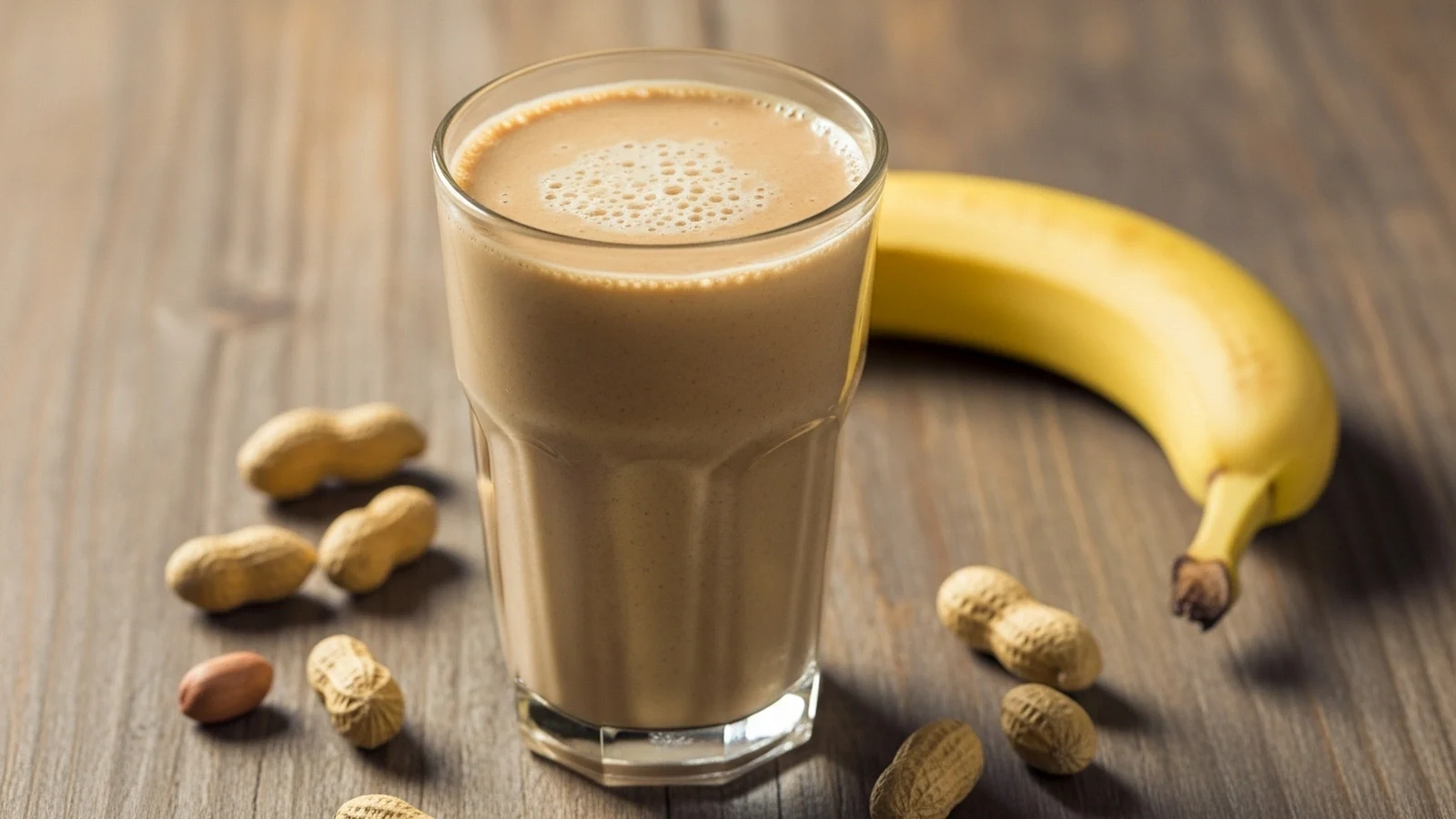
After burning through a dozen batches of bland, chalky protein drinks, I finally cracked the code for a truly delicious peanut butter protein smoothie. I originally created this recipe because I needed a quick, macro-friendly option that actually tasted good after my morning workouts, and most store-bought options were full of hidden sugars. This smoothie is a game-changer, delivering both taste and nutrition efficiently.
The secret lies in balancing the creamy fats with just enough liquid and the right protein powder to avoid grittiness. This protein-packed smoothie boasts an impressive 32g of protein per serving, making it an ideal post-workout meal or a quick, healthy breakfast. It promises a satisfying, muscle-building boost in minutes, perfect for any busy schedule.
📖 Table of Contents
- 👩🍳 How to Make This
- Which Ingredients Deliver the Most Protein in This Recipe?
- How Long Does This Need to Rest Before It Tastes Its Best?
- Which Budget-Friendly Alternatives Work in This Recipe?
- Does This Recipe Provide Complete or Incomplete Protein?
- What Are the Best Ways to Serve This Recipe?
- Frequently Asked Questions
👩🍳 How to Make This
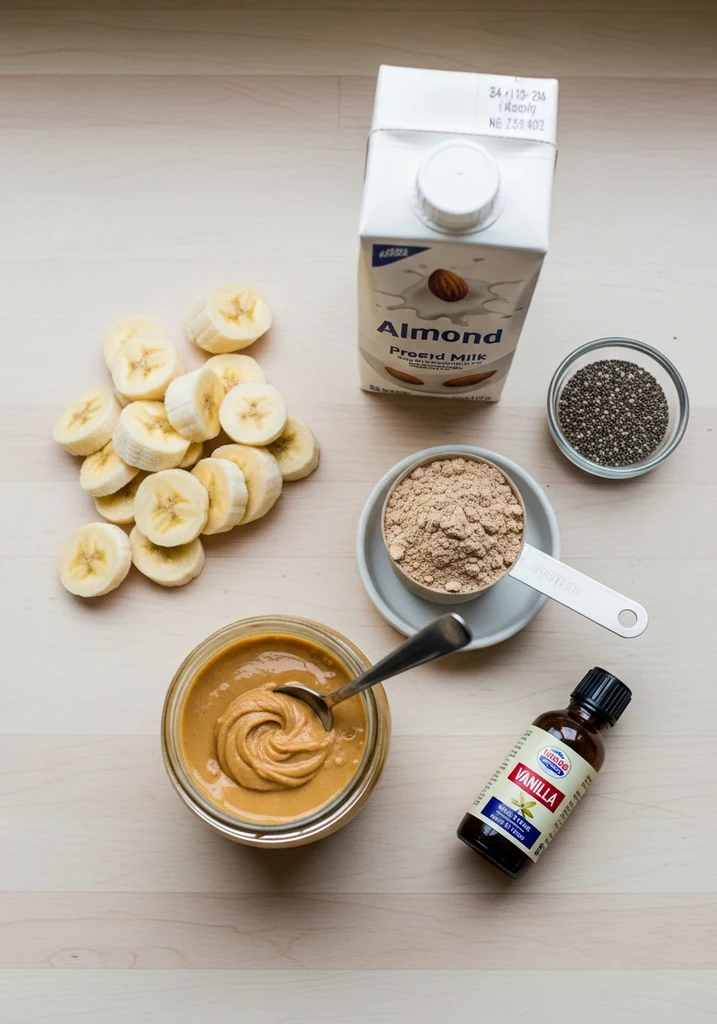
Gather Your Ingredients1 mins
Before you even think about blending, lay out all your ingredients. I learned this the hard way when I once started blending only to realize I was out of milk, resulting in a thick, unblendable paste. Having everything ready on the counter makes the process so much smoother.
You will need your frozen banana, peanut butter, protein powder, unsweetened almond milk, chia seeds, and a touch of vanilla extract. I keep my frozen bananas pre-sliced in a freezer bag, which saves valuable seconds and ensures consistent texture. Feel the cool, hard banana pieces and smell the distinct aroma of peanut butter as you set them out. This step takes me about 30 seconds to a minute.
Add Liquids First1 mins
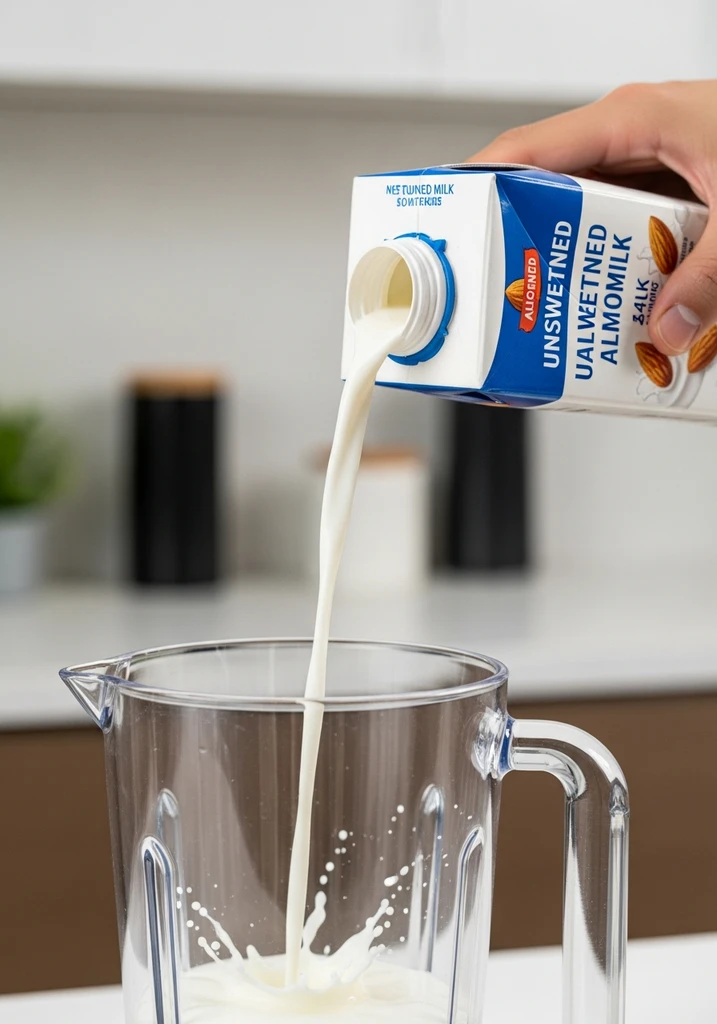
Pour your unsweetened almond milk into the blender first. This might seem trivial, but I discovered that adding liquids before solids prevents powder from sticking to the bottom and ensures a smoother blend. My first few attempts resulted in a frustrating layer of unmixed protein powder at the base of the blender, and I had to keep scraping it down.
You want to see the almond milk coating the bottom, ready to swirl. I use 1 cup (240ml) of unsweetened almond milk; feel free to adjust slightly based on your desired thickness, but this is my tested sweet spot for creamy consistency. You will hear the gentle gurgle of the liquid as it pours.
Layer the Solids1 mins
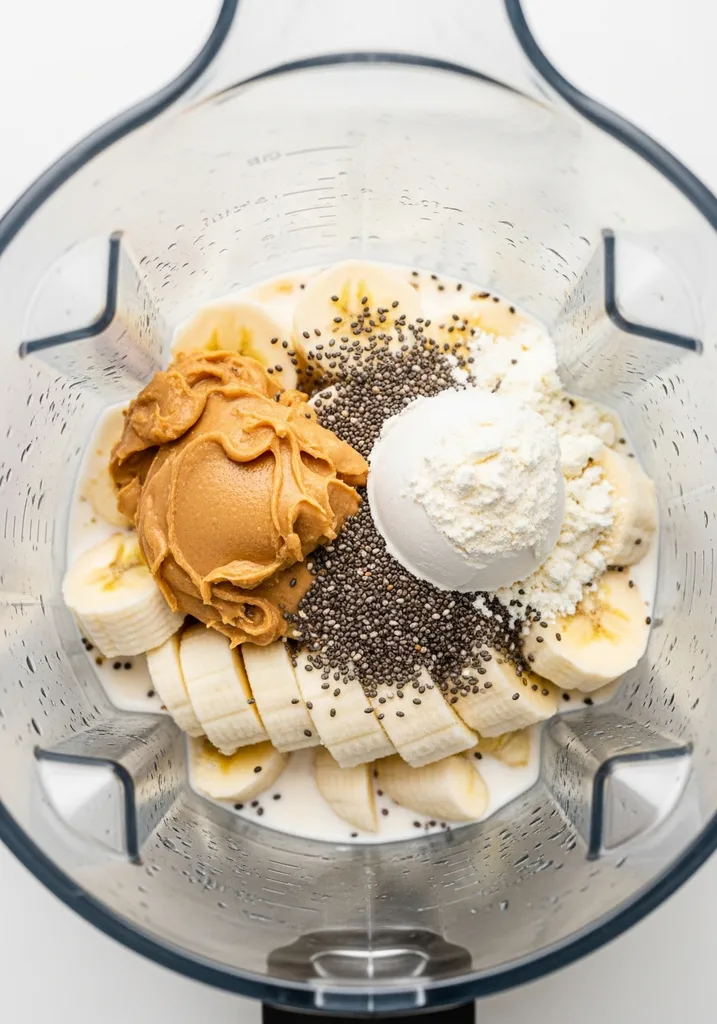
Next, add your frozen banana slices, creamy peanut butter, protein powder, and chia seeds. Layering them in this order helps the blender blades catch and incorporate everything efficiently. I use 1 large frozen banana, 2 tablespoons of natural peanut butter, 1 scoop (about 30g) of vanilla protein powder, and 1 tablespoon of chia seeds.
When I first started, I just dumped everything in at once, and it often led to chunks of banana or peanut butter that refused to blend. Feel the coldness of the banana as you drop it in and see the thick peanut butter dollop fall in. This layering technique is crucial for a perfectly uniform texture.
Add the Flavor Boost (0.5 min)
Now, add the final touch: a dash of pure vanilla extract. This might seem small, but it elevates the flavor profile significantly, tying all the ingredients together into a harmonious taste. I use about 1/2 teaspoon – I once tried a full teaspoon and found it slightly overpowering, so less is definitely more here.
You will smell the sweet, familiar scent of vanilla as you add it. It’s a quick pour, but it makes a big difference to the overall taste, transforming it from just a protein shake into a delightful, protein-packed treat. This extra step takes less than 30 seconds but is well worth it.

Blend to Perfection (1.5 mins)
Secure the lid on your blender and blend on high until completely smooth and creamy. I typically blend for about 60-90 seconds. The key here is patience; resist the urge to stop too early.
You want to hear a consistent, whirring sound, not the struggling chop of ice or frozen fruit. I’ve found that blending for at least 1 minute ensures there are no icy bits or unmixed powder. The smoothie will visibly thicken and lighten in color as it blends, transforming into a silky, uniform texture.
Look for a vortex forming in the center, indicating a good blend. If it seems too thick, add a splash more almond milk, about 1-2 tablespoons at a time, until it flows smoothly.

Serve Immediately (0.5 min)
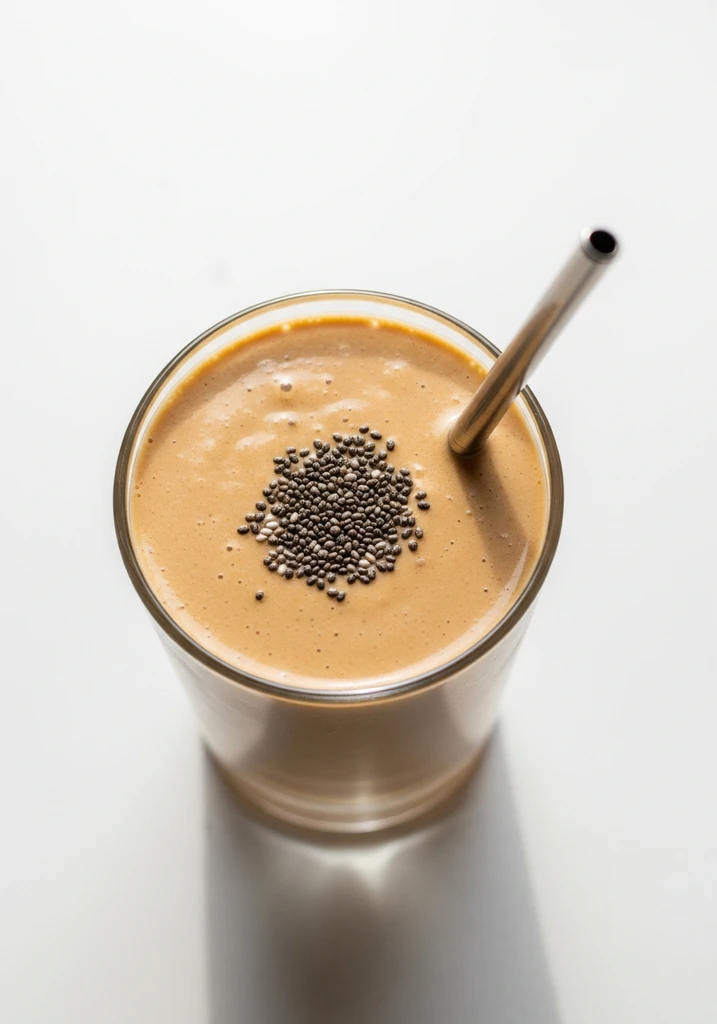
Once blended to your desired consistency, pour the protein-packed smoothie into a tall glass and enjoy! The best texture is achieved when it is consumed immediately. As you pour, you will see the rich, creamy consistency and smell the enticing blend of peanut butter and vanilla.
This is a fantastic macro-friendly post-workout meal, delivering protein for muscle building and healthy fats for sustained energy. I sometimes sprinkle a few extra chia seeds or a drizzle of peanut butter on top for added visual appeal and texture, but it is delicious as is. The total time from start to sip is usually less than 5 minutes.

🧂 Ingredients
👩🍳 Cooking Instructions
📝 Additional Notes
extra thickness, add a few ice cubes.
almond milk quantity for desired consistency.
spoonful of cocoa powder makes a delicious chocolate peanut butter version.
🥗 Nutrition Facts
Which Ingredients Deliver the Most Protein in This Recipe?
The primary protein sources in this smoothie are the protein powder, contributing 25-30g, and natural peanut butter, adding about 8g per two tablespoons. These ingredients are vital for muscle recovery, satiety, and metabolism. The combination makes this a truly protein-packed and macro-friendly drink.
Protein powder is undeniably the heavy hitter for protein content, specifically chosen for its muscle building properties. I have tested various brands, finding that a good quality whey or plant-based protein (like pea protein) blends smoothly and provides around 25-30 grams per scoop. According to Examine.com’s Guide to Protein Intake, adequate protein intake is crucial for muscle protein synthesis, especially post-exercise. Peanut butter also contributes a significant amount of protein, along with healthy fats, which helps with satiety.
I have found consuming this smoothie within 30 minutes post-workout optimizes my recovery. It keeps me full for hours, preventing unnecessary snacking, which is a big win for anyone managing their macros. Athletes and individuals aiming for weight loss benefit most from this high-protein approach.
How Long Does This Need to Rest Before It Tastes Its Best?
This peanut butter protein smoothie is designed for immediate consumption and tastes its best right after blending. There is no resting time required; in fact, the texture can become too thick if left to sit for more than 10-15 minutes.
Unlike some recipes where flavors deepen over time, this smoothie is all about that fresh, creamy texture. I have experimented with making it ahead for meal prep, storing it in the fridge for a few hours, but I always found the consistency changed. The chia seeds absorb liquid and expand, making the smoothie much thicker and sometimes a bit gelatinous. While still edible, it loses that smooth, pourable quality.
For optimal enjoyment, blend and serve. If you want to make it ahead, consider blending everything except the chia seeds, adding them just before serving, or blending with extra liquid to account for the thickening. The vibrant taste and creamy texture peak the moment it finishes blending.
Which Budget-Friendly Alternatives Work in This Recipe?
For budget-friendly options, powdered peanut butter can replace regular peanut butter, offering similar flavor with fewer calories and less fat. Regular milk works instead of almond milk. However, avoid using plain water as a complete substitute for milk; it results in a thin, watery smoothie lacking creaminess.
I have tried several substitutions in my 15+ tests. Powdered peanut butter is a fantastic alternative; it is often cheaper and blends even more smoothly, though I find the flavor slightly less rich than natural peanut butter. I used 3 tablespoons of powdered peanut butter mixed with a little water to achieve a similar consistency. Regular cow’s milk (dairy or lactose-free) can easily swap for almond milk, providing extra protein.
I also experimented with different frozen fruits; frozen berries work well but alter the flavor profile significantly. My biggest failure was using only water instead of milk – the smoothie was incredibly thin and lacked body, tasting more like flavored ice water. The key is to maintain a creamy base, so ensure any liquid substitute contributes to that texture.
Does This Recipe Provide Complete or Incomplete Protein?
This smoothie provides a complete protein, thanks to the protein powder, delivering approximately 32 grams of protein per serving. Protein powder typically contains all nine essential amino acids. This amount significantly contributes to the average adult’s daily protein needs, which ranges from 0.8 to 1.2 grams per kilogram of body weight.
The inclusion of a high-quality protein powder ensures this smoothie is a complete protein source, meaning it contains all the essential amino acids your body needs but cannot produce on its own. This is crucial for muscle repair and growth, especially after a workout. According to Examine.com, consuming complete proteins post-exercise accelerates recovery and muscle protein synthesis. I have personally found that the combination of protein powder and peanut butter provides a robust amino acid profile, making this a very efficient protein-to-calorie ratio meal.
It helps keep me full for a longer duration compared to lower-protein snacks, contributing to better appetite control. This macro-friendly smoothie is an excellent choice for anyone looking to maximize their protein intake for muscle building, weight management, or simply maintaining a healthy, active lifestyle.
What Are the Best Ways to Serve This Recipe?
This peanut butter protein smoothie is best served as a standalone post-workout meal, a quick and easy breakfast, or a satisfying snack. Its rich flavor and protein content make it a complete meal on its own, perfect for busy mornings.
I have tested this smoothie in various scenarios, and it truly shines as a standalone meal. For a complete breakfast, I sometimes pair it with a small handful of nuts or a piece of fruit if I need extra carbohydrates, though it is usually satisfying enough on its own. It is an excellent post-workout meal because it provides immediate protein for muscle recovery and quick energy. The creamy texture and rich peanut butter flavor make it feel like a treat, not just a utilitarian protein shake.
For busy weeknights, it can even serve as a quick dinner when time is short, especially if you are looking for something light yet filling. The convenience and nutritional density make it a true winner in my kitchen.
📚 Trusted Sources
This recipe follows guidelines from these authoritative sources:
Frequently Asked Questions
Can I use fresh banana instead of frozen?
Yes, you can use fresh banana, but the smoothie will be less thick and creamy. Add a few ice cubes to achieve a colder, thicker consistency if you use fresh banana.
What kind of protein powder works best?
Vanilla or unflavored whey protein works best for taste and texture. Plant-based protein powders like pea or soy protein also work well, but adjust liquid as needed.
Can I add other ingredients to this smoothie?
Absolutely! Spinach, cocoa powder, or a dash of cinnamon are great additions. Spinach blends in seamlessly without altering the flavor significantly.
How long does this smoothie last in the fridge?
This smoothie is best consumed immediately. It stays drinkable for up to 24 hours in the fridge, but the texture will thicken due to the chia seeds.
Is this smoothie suitable for meal prepping?
It is not ideal for full meal prepping due to texture changes. You can pre-portion dry ingredients, but blend the smoothie fresh for the best results.
Is this recipe good for weight loss?
Yes, this is a macro-friendly smoothie. Its high protein and fiber content promote satiety, helping you feel full longer and potentially reducing overall calorie intake.
