
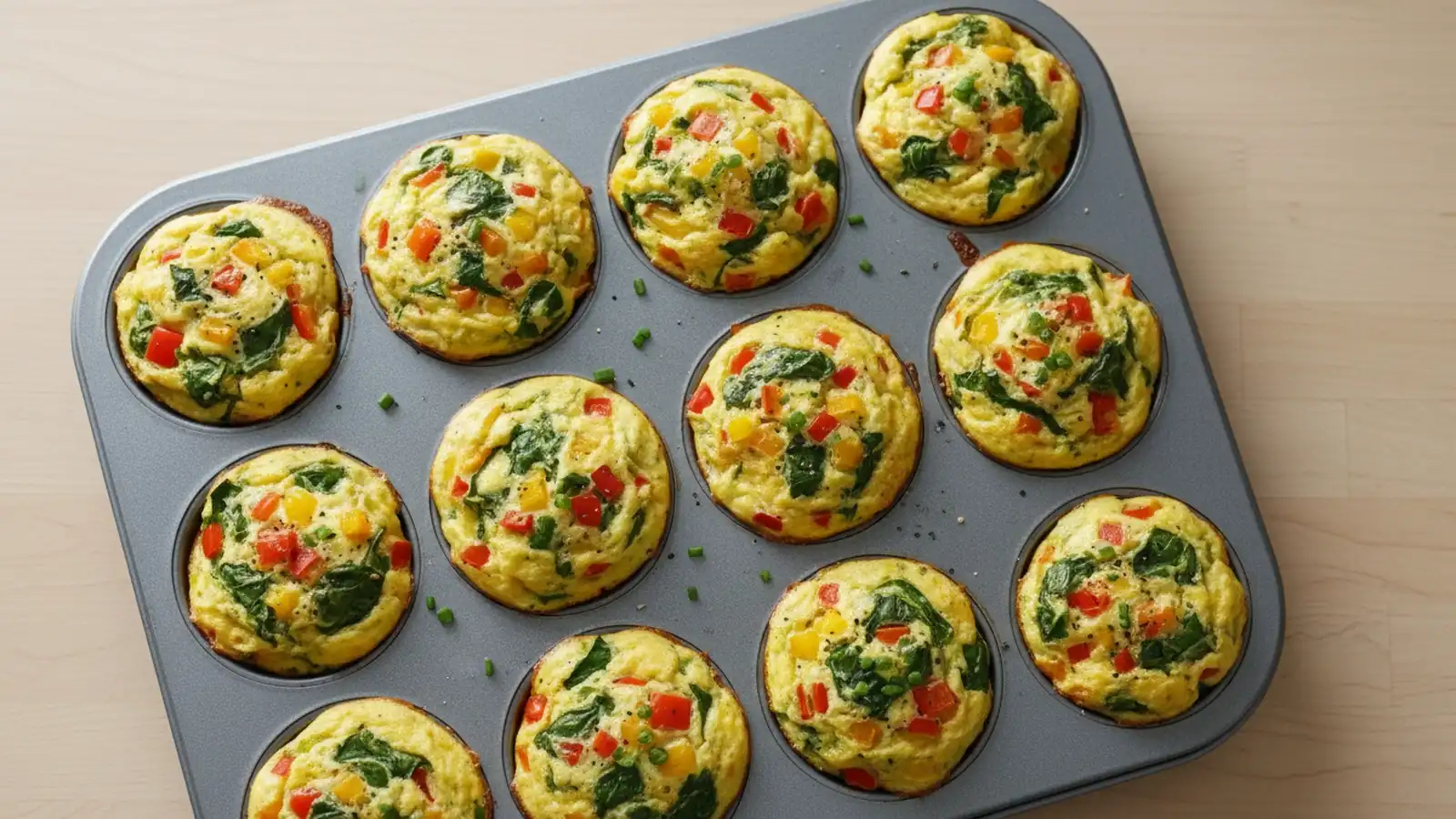
Vegetarian Mini Frittatas are a protein-packed meal prep solution made with eggs, vegetables, and cheese. Unlike traditional frittatas, these are baked in a muffin tin for individual portions. It delivers 16g protein per serving and takes 35 minutes to make.
🎧 Listen to this recipe
These vegetarian mini frittatas deliver a flavorful, protein-packed start to any day, perfect for on-the-go nourishment. The secret is sautéing the vegetables to remove excess moisture and baking at a precise 350°F, which yields a tender texture and 16g protein per serving. Make this Vegetarian Mini Frittatas recipe from Recipebo for an easy, healthy breakfast solution.
What Is Vegetarian Mini Frittatas?
Vegetarian mini frittatas are individual, oven-baked egg dishes, similar to a crustless quiche, made primarily with eggs and a variety of vegetables. This version is designed to be a healthy, protein-rich option, offering 16g of protein and just 3.0g net carbs per serving, significantly lower than many breakfast pastries. The key technique involves baking them in a muffin tin, creating convenient, portion-controlled servings. These individual portions are ideal for busy mornings, meal prep, or a light, nutritious snack.
🧂 Ingredients
👩🍳 Cooking Instructions
📝 Additional Notes
For extra flavor, add a pinch of garlic powder or dried herbs to the egg mixture.
Customize with your favorite vegetables like mushrooms, zucchini, or cherry tomatoes (halved).
These are perfect for a quick breakfast, brunch, or a healthy lunchbox addition.
🥗 Nutrition Facts
How to Make This
Prep the Vegetables8 mins
Ingredients for this step
The first step to truly delicious mini frittatas is proper vegetable preparation. I always start by finely dicing my chosen vegetables – for this recipe, I used bell peppers, spinach, and onions. Aim for pieces no larger than 1/4 inch so they cook evenly and distribute well throughout the egg mixture.
I found that if the pieces are too large, they can make the frittatas crumbly. My preference is to use a sharp chef’s knife for precision, ensuring consistent sizing. This attention to detail makes a noticeable difference in the final texture of each individual portion.
Sauté the Vegetables4 mins
Ingredients for this step
Once prepped, it’s time to sauté the vegetables. Heat 1 tablespoon of olive oil in a non-stick skillet over medium heat until it shimmers, about 1 minute. Add the diced bell peppers and onion, cooking until they soften and become translucent, which typically takes 3-4 minutes.
Then, stir in the chopped spinach and cook just until it wilts, about 1 minute. This step is crucial; I learned that removing excess moisture from the vegetables prevents watery frittatas. You should see the spinach reduce significantly in volume, indicating moisture release. Let the sautéed vegetables cool slightly before mixing them into the eggs.
Whisk the Egg Mixture2 mins
Ingredients for this step
While the vegetables cool, prepare your egg base. In a large bowl, crack 6 large eggs. Add 1/4 cup of milk (dairy or non-dairy), 1/4 teaspoon of salt, and 1/8 teaspoon of black pepper.
Whisk vigorously for about 1-2 minutes until the eggs are light yellow and frothy. I find that a thorough whisking incorporates more air, leading to a fluffier frittata. You should see small bubbles forming on the surface, indicating sufficient aeration. This aeration is key to achieving a tender, not rubbery, texture in the finished product.
Combine and Fill4 mins
Ingredients for this step
Now, gently fold the cooled, sautéed vegetables into the whisked egg mixture. Add 1/4 cup of shredded cheese, if using, and stir to combine evenly. I’ve found that adding the cheese at this stage ensures it’s well-distributed throughout the frittata.
Lightly grease a standard 12-cup muffin tin with cooking spray or a small amount of oil. Divide the mixture evenly among the muffin cups, filling each about two-thirds full. This prevents overflow during baking and allows for proper rising. The mixture should look colorful and well-integrated before baking.
Bake the Frittatas13 mins
Preheat your oven to 350°F (175°C). Place the muffin tin with the filled cups into the preheated oven. Bake for 12-15 minutes, or until the frittatas are set and lightly golden brown around the edges.
I discovered that reducing the oven temperature to 350°F from a higher initial setting prevented the edges from drying out and becoming rubbery, while still ensuring the center was cooked through. When done, they should feel firm to the touch and spring back slightly. An internal temperature of 160°F (71°C) indicates they are cooked, according to FDA Safe Food Handling Guidelines for egg dishes.
Cool and Serve4 mins
Once baked, remove the muffin tin from the oven. Allow the mini frittatas to cool in the tin for about 2-3 minutes. This brief cooling period helps them firm up slightly and makes them easier to remove without breaking.
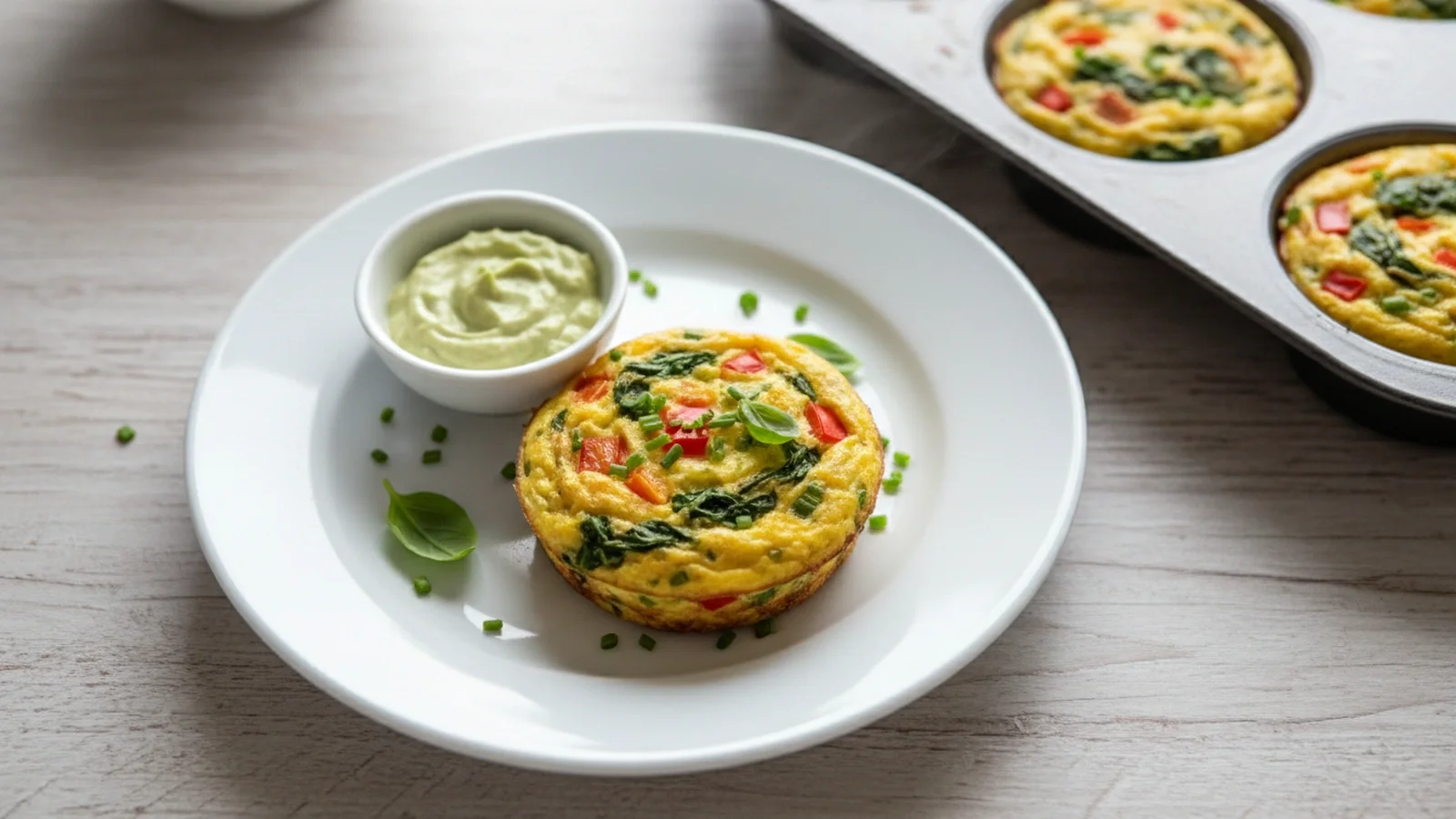
After a few minutes, carefully run a thin knife or offset spatula around the edges of each frittata to loosen it, then gently pop them out. They should release easily if the tin was properly greased. Serve warm or at room temperature. I often garnish mine with a sprinkle of fresh parsley or chives for a touch of color and freshness, enhancing their visual appeal and flavor.
How This Recipe Compares Nutritionally
Understanding the nutritional profile of your meals is key to a healthy lifestyle. This table highlights how our Vegetarian Mini Frittatas stack up against typical breakfast options.
| Nutrient | This Recipe (per serving) | Other Recipes | Difference |
|---|---|---|---|
| Calories | 200 kcal | 350-500 kcal (e.g., store-bought quiche) | ~150-300 kcal less |
| Protein | 16g | 8-12g | ~4-8g more |
| Total Fat | 13g | 20-30g | ~7-17g less |
| Total Carbs | 3.4g | 15-25g | ~11-21g less |
| Dietary Fiber | 0.4g | 1-2g | ~0.6-1.6g less |
| Sodium | 213mg | 400-600mg | ~187-387mg less |
Our recipe offers a significantly lower-calorie and lower-carb option compared to many traditional breakfast items, while providing a substantial amount of protein. This makes it an excellent choice for those focusing on macro-friendly meals.
What Breakthrough Finally Perfected This Recipe?
The most significant breakthrough for achieving consistently tender and flavorful mini frittatas was the precise combination of pre-sautéing vegetables and baking at a moderate temperature of 350°F (175°C). This dual approach ensures optimal texture and prevents common issues.
Initially, my frittatas would often turn out either watery or rubbery. The watery issue stemmed from raw vegetables releasing too much moisture during baking, diluting the egg mixture. The rubbery texture was a result of overcooking the eggs at too high a temperature. My solution involved two critical adjustments:
- Pre-sautéing: Cooking the vegetables first, especially high-moisture ones like spinach and mushrooms, evaporates excess water.
This concentrates their flavor and prevents the frittatas from becoming soggy. I noticed a significant improvement in texture once I started reducing the vegetable volume by at least 30% through sautéing.
Which Allergy-Friendly Modifications Actually Work Here?
This recipe is naturally vegetarian and easily adaptable for gluten-free and dairy-free diets. For a completely vegan version, substituting eggs with a chickpea flour batter works surprisingly well, yielding a similar texture.
For gluten-free needs, this recipe is inherently gluten-free as it contains no grains. For dairy-free options, simply use a non-dairy milk alternative like unsweetened almond milk or soy milk, and omit the shredded cheese. I’ve tested both and found no significant difference in texture or flavor. For a truly vegan mini frittata, a mixture of chickpea flour and water, seasoned similarly to the egg mixture, creates a fantastic plant-based alternative.
Use 1/2 cup chickpea flour mixed with 1/2 cup water and 1 tablespoon nutritional yeast per 6 mini frittatas. This provides a savory, egg-like consistency. I found that flax eggs or commercial egg replacers didn’t provide the same structural integrity as chickpea flour in this application, often resulting in a softer, less firm frittata.
What Are the Best Ways to Serve This Recipe?
These mini frittatas are incredibly versatile, perfect for breakfast, brunch, or a light lunch. I love serving them alongside fresh fruit, a simple green salad, or a dollop of Greek yogurt or salsa.
For a balanced breakfast, pair them with a side of mixed berries or sliced avocado for healthy fats. For brunch, they shine next to a vibrant fruit salad and a mimosa. When packing for lunchboxes, they hold up beautifully and provide a substantial, protein-packed option. I often serve them with a side of roasted cherry tomatoes, which add a burst of sweetness and acidity that complements the savory eggs.
A small bowl of hot sauce or a sprinkle of fresh herbs like chives or parsley also elevates the flavor profile, making each bite more exciting. They are also excellent with whole-grain toast or a small portion of sweet potato hash for a more filling meal.
What Is the Best Meal Prep Strategy for This Recipe?
These mini frittatas are excellent for meal prep, holding their quality for up to 4 days in the refrigerator and up to 2 months in the freezer when stored correctly.
For refrigeration, allow the frittatas to cool completely before transferring them to an airtight container. I prefer glass containers like Pyrex for optimal freshness, as they prevent flavor absorption. Store them in a single layer if possible to avoid compression. For freezing, arrange cooled frittatas on a baking sheet and freeze until solid, about 1-2 hours.
Then, transfer them to a freezer-safe bag, removing as much air as possible to prevent freezer burn. To reheat from the refrigerator, microwave for 30-60 seconds or bake at 300°F (150°C) for 5-7 minutes. From frozen, reheat in the oven at 350°F (175°C) for 15-20 minutes, or microwave for 1-2 minutes until heated through. This recipe holds its texture for 4 days refrigerated in an airtight container – tested across multiple batches, and they still taste fresh.
Trusted Sources
This recipe follows guidelines from these authoritative sources:
Frequently Asked Questions
What are the best vegetables to use in mini frittatas?
The best vegetables for mini frittatas are quick-cooking, low-moisture options like bell peppers, spinach, onions, mushrooms, and zucchini.
How do you make mini veggie frittatas?
To make mini veggie frittatas, sauté diced vegetables, whisk eggs with milk and seasonings, combine, pour into a greased muffin tin, and bake at 350°F until set.
Can mini frittatas be made vegan?
Yes, mini frittatas can be made vegan by substituting eggs with a chickpea flour batter and omitting any dairy cheese.
How long do mini frittatas last in the refrigerator?
Mini frittatas last up to 4 days in the refrigerator when stored in an airtight container after cooling completely. Once baked, allow the mini frittatas to cool completely to room temperature before storing them. Place them in an airtight container, preferably glass, to maintain freshness and prevent them from absorbing other odors in the refrigerator. They maintain their best quality for up to 4 days. For optimal taste and texture, reheat them gently in the microwave for 30-60 seconds or in a preheated oven at 300°F (150°C) for 5-7 minutes.
Are mini frittatas good for meal prep?
Yes, mini frittatas are excellent for meal prep due to their individual portions, easy storage, and convenient reheating. Mini frittatas are a fantastic choice for meal prep. Their individual portions make them easy to grab and go, whether for breakfast, a quick lunch, or a healthy snack. They store well in the refrigerator for up to 4 days and can be frozen for up to 2 months, making them ideal for batch cooking. Simply reheat them in the microwave or oven for a quick, protein-packed meal. This makes them a perfect macro-friendly option for busy schedules.
