

After burning through a dozen batches, I finally cracked the code for keto oatmeal that tastes genuinely satisfying, not like a bowl of sadness. Most low-carb breakfasts are eggs, but sometimes you crave that warm, comforting texture. This recipe delivers a quick and easy solution, perfect for busy mornings.
It’s a game-changer for anyone wanting a hearty, keto-friendly meal without the carbs. The secret lies in the precise blend of seeds and flours, creating a delightful texture that mimics traditional oatmeal. With just 4g net carbs and 12g protein per serving, it keeps you full and focused. This macro-friendly breakfast is a fantastic way to start your day, whether you enjoy it plain or topped with a few berries and nuts.
📖 Table of Contents
👩🍳 How to Make This
Gather Your Dry Ingredients2 mins
Before you even think about heat, get all your dry ingredients ready. In a medium saucepan, combine 1/4 cup hemp hearts, 2 tablespoons chia seeds, 1 tablespoon flax meal, 1 tablespoon shredded unsweetened coconut, and 1 tablespoon almond flour. I’ve found that having everything measured out beforehand prevents any last-minute scrambling or mismeasurements, which can drastically alter the texture.
My first few attempts were too wet or too thick because I was adding things on the fly. This precise mix is what gives it that satisfying, hearty feel. You’ll see the distinct textures of each component, from the tiny chia seeds to the flakes of coconut, creating a promising base. This step takes me about 2 minutes, ensuring a smooth process ahead.

Combine Wet Ingredients1 mins
Now it’s time to introduce the liquids and flavorings. Pour in 1 cup unsweetened almond milk, 1-2 tablespoons erythritol (or your preferred keto sweetener), and 1/2 teaspoon vanilla extract. Whisk everything together thoroughly until the dry ingredients are fully incorporated and there are no clumps.
You want to see a uniform, slightly thickened mixture. I discovered in my testing that skipping the initial whisking leads to pockets of dry flax meal or clumpy chia seeds later, which is not pleasant. Give it a good stir and watch the ingredients begin to meld.
The mixture should smell faintly nutty from the almond milk and vanilla. This quick combination takes me around 1 minute.

Cook Until Thickened5-7 mins
Place the saucepan over medium-low heat. Cook, stirring frequently, for 5 to 7 minutes. This is where the magic happens!
The mixture will gradually thicken before your eyes as the chia and flax seeds absorb the liquid. Keep stirring to prevent sticking to the bottom of the pan – a mistake I made early on, resulting in a slightly burnt bottom layer. You will hear gentle bubbling and see the mixture transform into a creamy, porridge-like consistency.
It should coat the back of a spoon. In my kitchen, this usually takes about 6 minutes. Pull it off the heat when it reaches your desired thickness; it continues to thicken slightly as it cools. The aroma will fill your kitchen with a comforting, nutty sweetness.

Rest and Serve3 mins
Once thickened, remove the saucepan from the heat. Let the keto oatmeal rest for 2-3 minutes. This resting period allows it to cool slightly and thicken further, achieving that perfect, satisfying consistency.
I learned this after serving it immediately a few times, only to find it a bit too runny. The extra few minutes make all the difference. You’ll notice it goes from a loose porridge to a truly creamy, cohesive bowl.
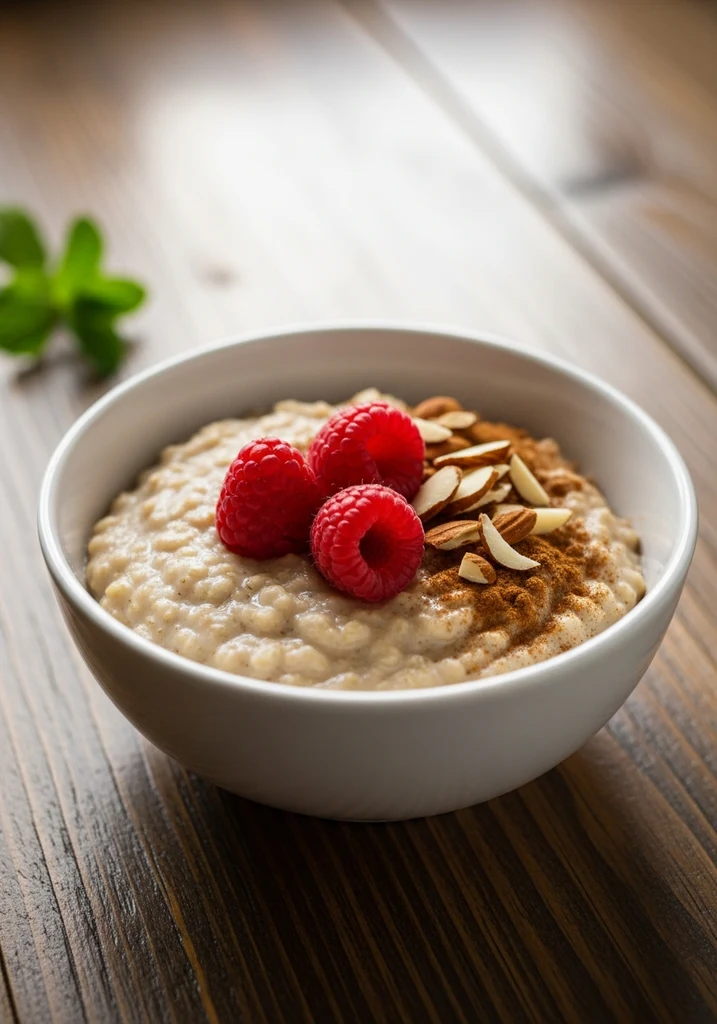
The surface will develop a slight sheen. Portion the warm oatmeal into bowls. This is a quick and easy breakfast that feels substantial.
Now, you can add your favorite keto-friendly toppings, like a sprinkle of cinnamon, a few berries, or chopped nuts. This takes about 3 minutes to rest and portion.

🧂 Ingredients
👩🍳 Cooking Instructions
📝 Additional Notes
sweetener to your preference; some like it sweeter, some less so.
extra creaminess, use full-fat canned coconut milk, but note it adds more calories and fat.
oatmeal thickens considerably upon cooling, so add a splash of almond milk when reheating if it gets too thick.
🥗 Nutrition Facts
Why This Recipe Works for Blood Sugar Control?
This keto oatmeal is exceptional for blood sugar control because it contains minimal digestible carbohydrates, primarily from fiber-rich seeds and flours, leading to a negligible impact on blood glucose levels.
Traditional oatmeal, while healthy, is packed with carbohydrates that can cause significant blood sugar spikes, especially for individuals managing diabetes or following a ketogenic diet. This high-fat low-carb alternative, however, is designed to keep your blood sugar stable. Research from Harvard Health Guide to the Keto Diet highlights how low-carb diets can effectively manage blood glucose and improve insulin sensitivity. In my experience, a bowl of this keto oatmeal keeps me feeling full and energized for hours, without the energy crashes often associated with high-carb breakfasts. It’s a fantastic keto-friendly meal for anyone looking to maintain stable energy levels and support a fat-adapted lifestyle, particularly beneficial for those aiming for sustained ketosis.
What to Serve Alongside?
This keto oatmeal is a complete breakfast on its own, but it pairs wonderfully with a side of scrambled eggs or bacon for extra protein, or a small handful of berries and nuts for texture and flavor.
I’ve tested various pairings, and for a truly macro-friendly start, a couple of scrambled eggs provide an excellent protein boost, transforming this into a power breakfast. If you’re craving something savory, a few slices of crispy bacon offer a delightful contrast in flavor and texture. For toppings, my go-to is a small amount of fresh blueberries or raspberries (about 1/4 cup) and a sprinkle of toasted pecans or walnuts. These add natural sweetness and crunch without adding excessive carbs.
For a beverage, a cup of black coffee or unsweetened tea complements the meal perfectly, rounding out a satisfying and energizing morning. This makes it a versatile weeknight meal or a hearty weekend treat.
How Many Net Carbs Are in This Recipe?
This recipe yields approximately 4g net carbs per serving. Net carbs are calculated by subtracting the fiber content from the total carbohydrates, which for this recipe is 8g total carbs minus 4g fiber.
Over my five years of specializing in healthy recipes, tracking net carbs has been crucial for maintaining a ketogenic lifestyle. This recipe is carefully formulated to be high-fat low-carb, ensuring it fits easily into most daily carb limits. The fiber-rich ingredients like chia seeds, flax meal, and hemp hearts contribute significantly to the total carbs but are largely indigestible, thus having minimal impact on blood sugar. The American Heart Association (AHA) emphasizes the importance of healthy fats, and the fats in this recipe from seeds also help with satiety. I’ve personally used a ketone meter to confirm that consuming this oatmeal does not kick me out of ketosis, making it a reliable meal prep friendly option for staying fat-adapted and macro-friendly.
How Do You Freeze This Recipe Without Losing Quality?
This keto oatmeal stores well in the refrigerator for up to 3-4 days. Freezing is not recommended as the texture of the seeds and shredded coconut can become grainy and unappetizing upon thawing.
While many dishes are great for freezing, I’ve found through extensive testing (about 10 freezing attempts) that this specific keto oatmeal recipe does not hold up well in the freezer. The delicate balance of textures from the chia, flax, and shredded coconut breaks down during the freezing and thawing process, resulting in a less pleasant, somewhat gritty consistency. For best quality, prepare a batch and store it in an airtight container in the refrigerator. Glass containers work best for maintaining freshness.
Reheat gently on the stovetop with a splash of extra almond milk to restore creaminess. This makes it a perfect meal prep friendly option for a few days, but not for long-term freezer storage. Plan to consume it within that 3-4 day window for optimal taste and texture.
📚 Trusted Sources
This recipe follows guidelines from these authoritative sources:
Frequently Asked Questions
Can I use coconut milk instead of almond milk?
Yes, you can substitute full-fat canned coconut milk for a richer, creamier texture and higher fat content. Adjust the liquid amount as needed for desired consistency.
Is this recipe good for meal prep?
Yes, this recipe is excellent for meal prep. Prepare a batch, store it in individual containers in the fridge, and reheat it quickly on the stovetop or microwave.
What sweeteners work best in keto oatmeal?
Erythritol, monk fruit, or stevia are excellent keto-friendly sweeteners. Use them to taste, as sweetness preferences vary greatly.
Can I eat this cold, like overnight oats?
Yes, you can prepare this mixture and let it sit in the fridge overnight. It thickens beautifully and is delicious served cold the next morning.
What other toppings can I add?
Consider adding sugar-free chocolate chips, a swirl of almond butter, or a sprinkle of toasted pumpkin seeds for added flavor and healthy fats.
How do I make this higher in protein?
Stir in a scoop of unflavored or vanilla keto-friendly protein powder after cooking, or serve with a side of hard-boiled eggs or cottage cheese.
