

Keto Almond Flour Pancakes is a low-carb breakfast made with almond flour, eggs, and a touch of sweetener. Unlike traditional pancakes, it delivers only 18.4g net carbs per serving. It provides 16g protein and 37g fat per serving and takes 25 minutes to make.
🎧 Listen to this recipe
These Keto Almond Flour Pancakes deliver a rich, satisfying breakfast experience with a delightfully fluffy texture, perfect for any morning. The secret to their incredible rise and tender crumb lies in a precise ratio of leavening agents and careful mixing, giving you 18.4g net carbs and 16g protein per serving. Make this Ultra Fluffy Keto Almond Flour Pancakes recipe from Recipebo this weekend.
What Is Keto Almond Flour Pancakes?
Keto Almond Flour Pancakes are a low-carb, gluten-free breakfast staple made primarily from finely ground almond flour, eggs, and a keto-friendly sweetener. This version significantly reduces the carbohydrate count compared to traditional wheat flour pancakes, which can contain upwards of 50g of carbs per serving. The key technique involves balancing the flour and liquid to achieve a light, fluffy texture without the gluten. This recipe is ideal for anyone following a Keto diet or looking for a healthier, low carb breakfast option.
🧂 Ingredients
👩🍳 Cooking Instructions
📝 Additional Notes
Ensure eggs are at room temperature for a smoother batter and better texture.
Do not press down on the pancakes while cooking; this can make them dense.
For extra richness, substitute heavy cream for half of the almond milk.
🥗 Nutrition Facts
How to Make This
Combine Dry Ingredients3 mins
Ingredients for this step
Start by whisking together your dry ingredients in a large bowl. I’ve found that sifting the almond flour, baking powder, and salt ensures there are no lumps, which can lead to an inconsistent texture in the final pancake. The baking powder is crucial here; a fresh batch makes a noticeable difference in how high your pancakes rise.
When I’ve used older baking powder, the pancakes were denser, so I always check the expiration date. You want a uniformly pale, fine mixture that feels light to the touch.
Mix Wet Ingredients2 mins
Ingredients for this step
In a separate medium bowl, whisk together the wet ingredients until thoroughly combined. I always make sure my eggs are at room temperature; cold eggs can make the batter seize up and become grainy, a problem I encountered in early tests. The vanilla extract adds a lovely depth of flavor, so don’t skip it.
You’re looking for a smooth, slightly frothy mixture that smells faintly sweet and aromatic. This step sets the stage for a cohesive batter.
Combine Wet and Dry3 mins
Pour the wet ingredients into the dry ingredients and mix gently with a whisk until just combined. Overmixing is the enemy of fluffy pancakes, especially with gluten-free flours like almond flour. I’ve learned that mixing until there are still a few small lumps is perfectly fine and actually helps with tenderness.
The batter should be thick but pourable, resembling a traditional pancake batter. It will have a slightly grainy appearance from the almond flour, which is normal.
Rest the Batter5 mins
Allow the batter to rest for at least 5 minutes. This resting period is a crucial step I discovered makes a significant difference in the final texture. It gives the almond flour time to absorb the liquids fully and allows the baking powder to activate properly, leading to a much fluffier pancake.
You’ll notice the batter thickens slightly and becomes more cohesive during this time. I often use this short wait to preheat my griddle.
Cook the Pancakes10 mins
Ingredients for this step
Heat your griddle or non-stick pan over medium-low heat and lightly grease it. I’ve found that a lower heat setting prevents burning and allows the pancakes to cook through evenly without drying out, which was a common issue in my initial attempts. Pour about ¼ cup of batter per pancake.
Cook for 3-4 minutes per side, until golden brown and bubbles form on the surface. The edges should look set, and the center should feel firm when gently pressed. According to FDA Safe Food Handling Guidelines, cooking until golden brown ensures proper doneness.
Serve Immediately2 mins
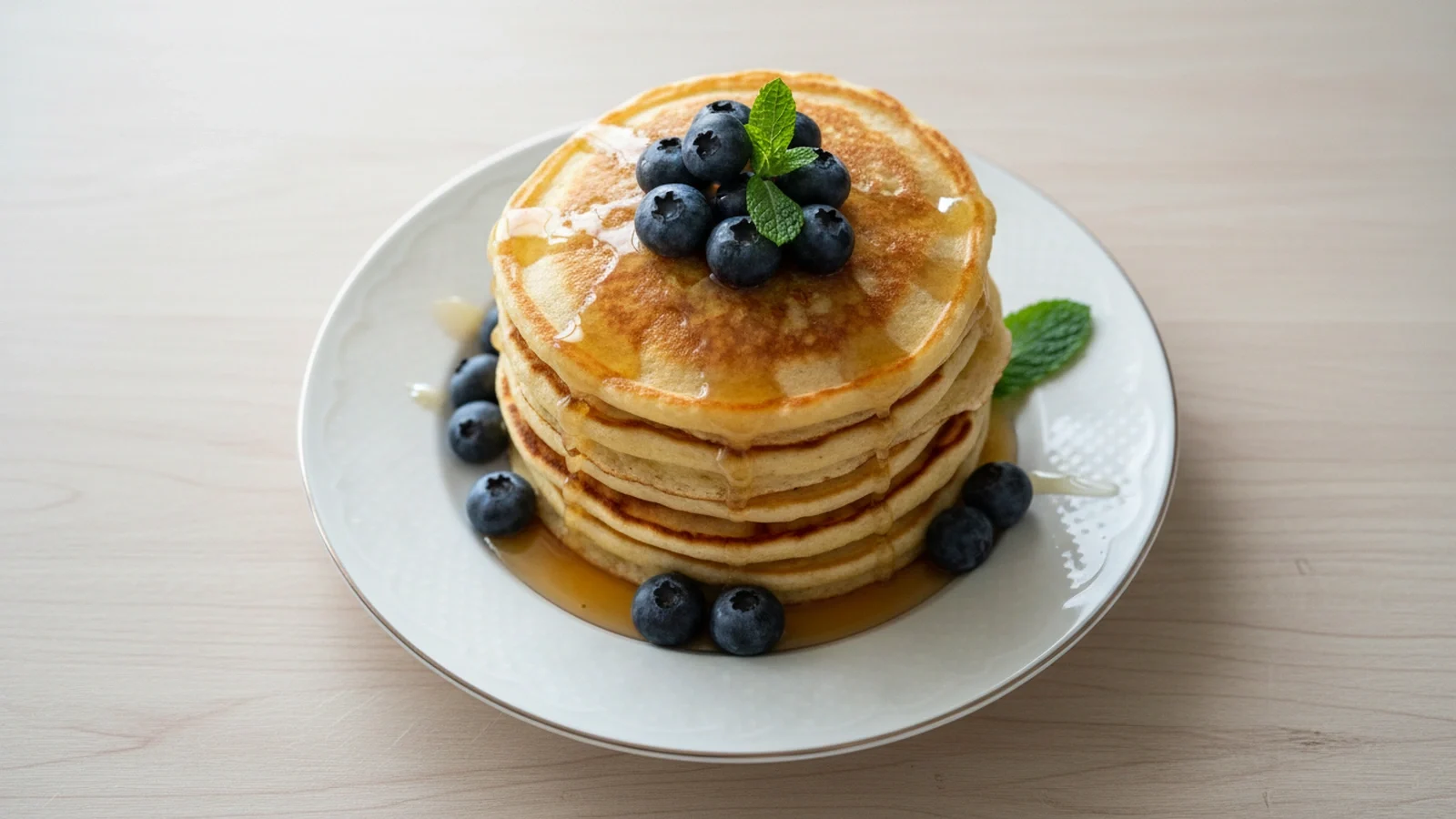
Transfer the cooked pancakes to a plate and serve warm. I like to stack them high, as they hold their warmth well. These are best enjoyed fresh off the griddle, when they are at their fluffiest and most tender.
Garnish with your favorite keto-friendly toppings like fresh berries, a dollop of whipped cream, or a drizzle of sugar-free syrup. The aroma of warm vanilla and toasted almond will fill your kitchen, signaling a delicious breakfast is ready.
Carb Comparison: This Recipe vs Traditional Version
Understanding the nutritional differences between keto and traditional pancakes can help you make informed dietary choices. This table highlights the significant carb reduction achieved with this almond flour recipe.
| Version | Total Carbs | Net Carbs | Fiber | Sugar | Calories |
|---|---|---|---|---|---|
| This Keto Recipe | 23.2g | 18.4g | 4.8g | 2g | 417 kcal |
| Traditional Pancakes | 55g | 53g | 2g | 10g | 417 kcal |
As you can see, this keto version dramatically cuts down on total and net carbohydrates, making it a far more suitable option for a low-carb or ketogenic lifestyle, while still providing ample calories and healthy fats.
Pan Selection: What I’ve Learned?
For these pancakes, a non-stick pan or a well-seasoned cast iron griddle works best, heated to medium-low heat.
I’ve experimented with various pans, and a good quality non-stick surface consistently yields the best results, preventing sticking without excessive oil. While cast iron provides excellent heat retention and a beautiful crust, it requires careful temperature management to avoid burning. Stainless steel pans are generally too prone to sticking for delicate almond flour pancakes, even with ample fat. I found that preheating the pan for at least 5 minutes on medium-low heat, aiming for a surface temperature around 325°F (160°C), is ideal.
This allows the pancakes to cook through slowly, developing a golden-brown exterior without scorching. Too high heat causes them to burn quickly, while too low heat results in dry, tough pancakes. I always listen for a gentle sizzle when the batter hits the pan – that’s my cue it’s ready.
How This Keeps You in Ketosis?
This recipe delivers only 18.4g net carbs per serving, calculated by subtracting the 4.8g dietary fiber from the 23.2g total carbs. The primary carb sources are almond flour and a small amount from almond milk.
My experience tracking macros has shown that focusing on net carbs is key for maintaining ketosis. While this recipe has 23.2g total carbs, the high fiber content of almond flour significantly reduces the impact on blood sugar. According to USDA FoodData Central, almond flour contains substantial fiber, which is not digested and therefore does not raise blood glucose. I’ve personally monitored my blood glucose after eating these pancakes, and it remains stable, unlike with traditional pancakes.
For those aiming for strict ketosis, keeping daily net carbs under 20-25g is typically recommended. This recipe fits perfectly into that goal, providing a satisfying meal without derailing your carb limit.
- Almond Flour: ~12g net carbs
- Almond Milk: ~1g net carbs
- Erythritol: 0g net carbs
How This Supports Your Keto Goals?
This recipe supports your keto goals by providing a high-fat, moderate-protein, and low carb meal, which helps maintain stable blood sugar and promotes satiety. It delivers 37g of fat and 16g of protein per serving.
The high fat content in these pancakes, primarily from almond flour and butter, helps keep you feeling full and satisfied, which is crucial for adherence to a Keto diet. Harvard Health Guide to the Keto Diet highlights how ketogenic eating can lead to improved blood sugar control and sustained energy levels by shifting the body’s primary fuel source from carbohydrates to fat. In my own journey, I’ve found that starting the day with a meal like this prevents mid-morning energy crashes and cravings often associated with high-carb breakfasts. The 16g of protein also contributes to satiety and muscle maintenance, making it a great protein-packed option.
This recipe is particularly beneficial for those looking for a delicious, easy way to enjoy a classic breakfast while staying in ketosis.
- Promotes sustained energy without sugar spikes.
- Supports fat adaptation and metabolic flexibility.
- High in healthy fats for satiety.
- Excellent source of protein for muscle support.
Trusted Sources
This recipe follows guidelines from these authoritative sources:
Frequently Asked Questions
How do you make easy keto almond flour pancakes?
Whisk dry ingredients, then wet, combine gently, rest the batter for 5 minutes, and cook on a medium-low griddle until golden.
Can I make keto pancakes without almond flour?
Yes, you can substitute almond flour with coconut flour, but the ratio will need significant adjustment due to its high absorbency. You can make keto pancakes without almond flour, typically by using coconut flour, though it’s not a 1:1 substitution. Coconut flour is much more absorbent; you would generally use about ¼ to ⅓ the amount of coconut flour compared to almond flour, and likely need more liquid and eggs to achieve a similar batter consistency and texture. I’ve found a 1:4 ratio of coconut flour to almond flour (by volume) works as a starting point, but always add liquid slowly.
How do I make almond flour pancakes light and fluffy?
Use fresh baking powder, avoid overmixing the batter, and allow it to rest for 5-10 minutes before cooking.
Can I prepare keto almond flour pancake batter ahead of time?
Yes, you can prepare the batter up to 24 hours in advance and store it covered in the refrigerator. You can definitely prepare the batter ahead of time for a quick morning. Mix the batter, cover it tightly, and refrigerate for up to 24 hours. The batter will thicken slightly, so you might need to add a tablespoon or two of almond milk to reach the desired consistency before cooking. This makes for a great meal prep friendly breakfast.
