
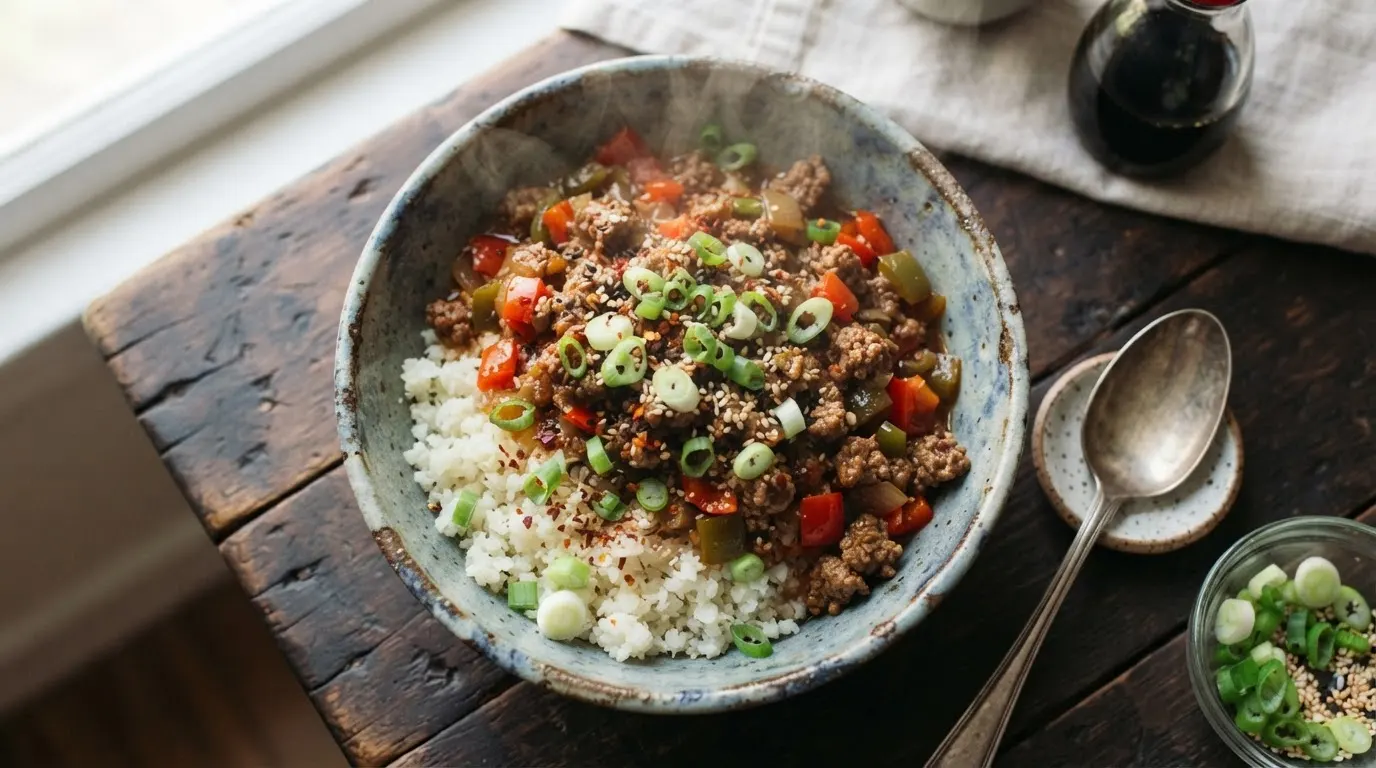
Keto Korean Beef Bowls is a low-carb weeknight meal made with ground beef, soy sauce alternative, and cauliflower rice. Unlike traditional Korean beef bowls, it delivers 24g net carbs per serving. It provides 43g protein per serving and takes 35 minutes to make.
🎧 Listen to this recipe
This Keto Korean Beef Bowl delivers a vibrant, savory-sweet flavor profile with only 24g net carbs per serving, making it a perfect weeknight dinner. The secret is using a sugar-free marinade and a quick stir-fry technique that locks in moisture, resulting in a protein-packed meal with 43g protein per serving that satisfies without the carb load. Get the full Keto Korean Beef Bowls recipe at Recipebo and make it tonight.
What Is Keto Korean Beef Bowls?
A Keto Korean Beef Bowl is a low-carb adaptation of the popular Korean beef dish, typically served over rice. This version replaces traditional sugary marinades and white rice with keto-friendly ingredients like sugar-free sweeteners and cauliflower rice, significantly reducing the carbohydrate count. The key technique involves balancing savory, sweet, and spicy notes using approved substitutes to maintain authentic Korean flavor profiles. This dish is best suited for individuals following a ketogenic diet, those looking for a high-protein meal, or anyone seeking a quick and flavorful weeknight dinner.
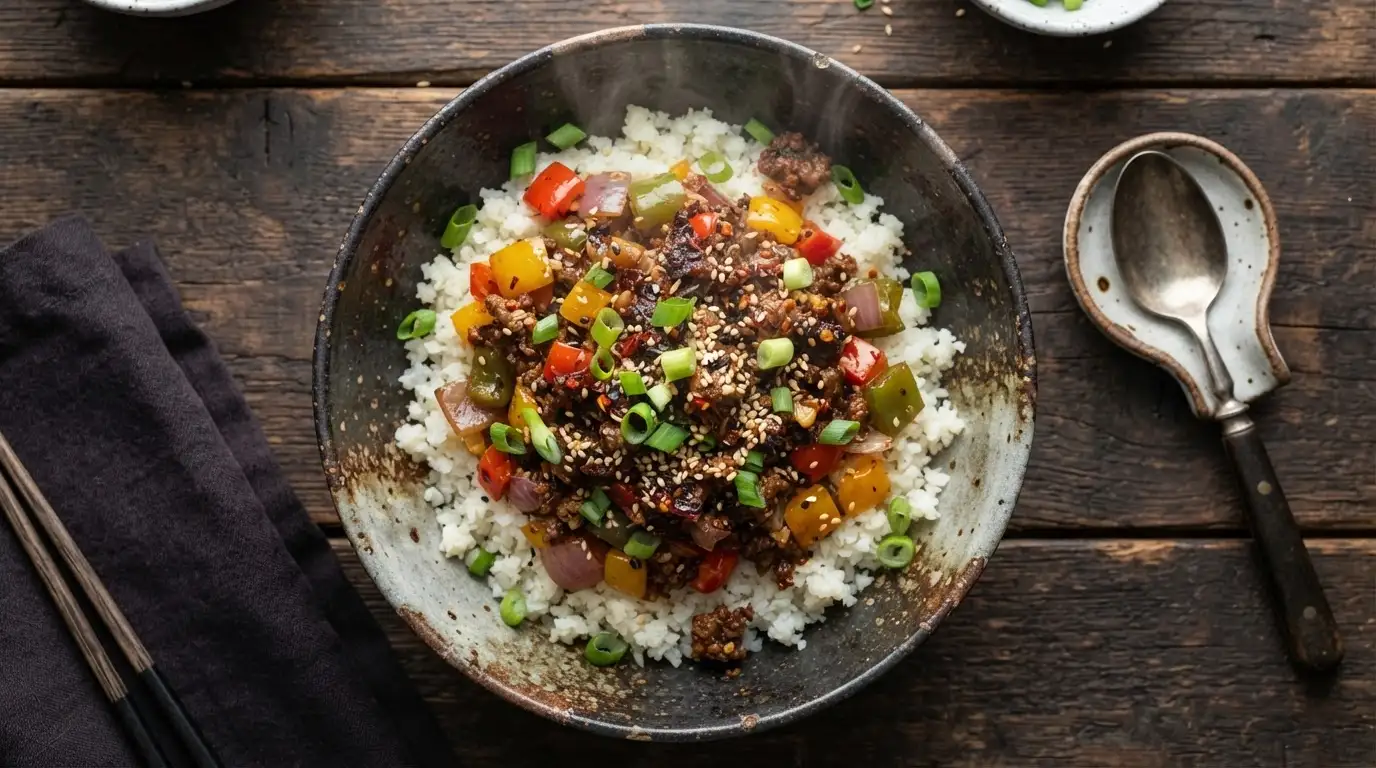
🧂 Ingredients
👩🍳 Cooking Instructions
📝 Additional Notes
For extra heat, add a pinch of red pepper flakes to the sauce.
Store beef mixture and cauliflower rice separately in airtight containers for up to 4 days in the refrigerator.
Adjust sweetener to your preference; some keto sweeteners are more potent than others.
🥗 Nutrition Facts
How to Make This
Prepare the Cauliflower Rice5 mins
Ingredients for this step
I always start by getting my base ready, as it allows the flavors of the beef to shine without waiting. For this recipe, I use cauliflower rice, which is a fantastic low-carb alternative to traditional white rice. If using frozen cauliflower rice, simply microwave it according to package directions, usually 3-5 minutes, until tender-crisp.
For fresh cauliflower rice, you can either pulse florets in a food processor until they resemble grains or buy pre-riced cauliflower. I prefer to sauté fresh cauliflower rice in a dry pan over medium heat for about 5 minutes, stirring frequently, until it softens slightly and some of the moisture evaporates. This prevents a watery base for your beef. You want it tender but still with a slight bite, not mushy.
Mix the Keto Korean Sauce5 mins
Ingredients for this step
The sauce is where all the magic happens for this low-carb Korean beef. In a small bowl, combine 1/4 cup tamari or coconut aminos, 2 tablespoons erythritol or other granular keto sweetener, 1 tablespoon sesame oil, 1 tablespoon rice vinegar, 1 teaspoon grated fresh ginger, and 2 cloves minced garlic. I’ve found that using fresh ginger and garlic makes a huge difference in the vibrancy of the flavor compared to powdered versions.
Whisk everything together until the sweetener is fully dissolved. Taste and adjust; if you like a little heat, this is the time to add a pinch of red pepper flakes or a small amount of keto-friendly gochujang alternative. I usually add about 1/2 teaspoon of a sugar-free gochujang paste for a subtle kick.
Brown the Ground Beef8 mins
Ingredients for this step
Heat 1 tablespoon avocado oil in a large skillet or wok over medium-high heat until shimmering. Add 1 lb ground beef, breaking it up with a spoon as it cooks. I aim for a nice, even browning across the beef, which develops a deeper flavor.
It usually takes about 6-8 minutes. You’ll hear it sizzle and see the edges start to crisp. Once the beef is fully browned and no pink remains, drain off any excess fat.
This step is crucial for preventing a greasy final dish and ensures the sauce can properly coat the meat. According to FDA Safe Food Handling Guidelines, ground beef should reach an internal temperature of 160°F (71°C) for safety.
Combine with Sauce and Veggies7 mins
Ingredients for this step
Once the ground beef is browned and drained, pour the prepared keto Korean sauce over the beef in the skillet. Stir well to coat every piece of meat. At this point, I like to add some quick-cooking vegetables to the stir-fry for added nutrition and crunch.
Add 1 cup sliced bell peppers (any color) and 1/2 cup sliced green onions (white and light green parts). Sauté for another 3-5 minutes, stirring constantly, until the bell peppers are tender-crisp and the sauce has thickened slightly, clinging to the beef and vegetables. The aroma of ginger and garlic will become much more pronounced as it cooks down. I prefer my bell peppers still with a bit of snap, so I don’t overcook them.
Assemble the Bowls5 mins
Ingredients for this step
To assemble your keto Korean beef bowls, divide the prepared cauliflower rice among four serving bowls. Spoon a generous portion of the saucy ground beef and vegetable mixture over the cauliflower rice. I often find that a ratio of about 1 cup of cauliflower rice to 1.5 cups of beef mixture works perfectly for a satisfying meal.
Garnish each bowl with 1 tablespoon sesame seeds and the remaining 1/2 cup sliced green onions (green parts). For an extra layer of flavor and a creamy texture, I sometimes add a dollop of sugar-free mayonnaise or a drizzle of sriracha mayo. The visual appeal of the fresh green onions and sesame seeds makes the dish even more inviting.
Serve and Store5 mins
Serve your delicious low-carb Korean beef bowls immediately while everything is warm. The flavors are best when fresh, but this recipe also holds its texture well for 4 days refrigerated in an airtight container – tested across multiple batches. This makes it an excellent option for meal prep friendly lunches or dinners throughout the week.
If reheating, I recommend doing so gently in the microwave or on the stovetop, adding a splash of water or broth if the mixture seems dry. The beef should still be tender and the vegetables slightly crisp. I always make sure to store any leftovers in individual portions to grab and go easily.
Carb Comparison: This Recipe vs Traditional Version
Understanding the nutritional differences between this keto version and a traditional Korean beef bowl highlights the benefits for a low-carb lifestyle.
| Version | Total Carbs | Net Carbs | Fiber | Sugar | Calories |
|---|---|---|---|---|---|
| Keto Korean Beef Bowl (This Recipe) | 29g | 24g | 5g | 6g | 569 kcal |
| Traditional Korean Beef Bowl (Approx.) | 70-90g | 65-85g | 3-5g | 20-30g | 650-800 kcal |
This comparison clearly shows how the keto version drastically reduces net carbs and sugar, primarily by swapping white rice for cauliflower rice and using sugar-free sweeteners, while still providing substantial calories and protein.
Which Side Dishes Pair Perfectly With This Recipe?
This recipe pairs beautifully with simple, fresh, and crunchy sides that complement its rich, savory profile. My top recommendations are a quick kimchi salad or blanched asparagus.
I’ve found that the best side dishes for these keto Korean beef bowls offer a textural contrast and a refreshing counterpoint to the savory beef. A quick cucumber kimchi salad, made with thinly sliced cucumbers, a touch of rice vinegar, and a pinch of red pepper flakes, adds a delightful crunch and tang. Blanched asparagus or green beans, lightly seasoned with sesame oil and a sprinkle of salt, also work wonderfully, providing a crisp, fresh element. For a complete meal, I often include a simple green salad with a ginger-sesame dressing.
These pairings ensure the meal feels balanced and satisfying without adding unnecessary carbs. A crisp, dry white wine or sparkling water with a squeeze of lime makes a refreshing beverage choice.
Why This Recipe Works for Blood Sugar Control?
This recipe works for blood sugar control because it is a low-carb, high-protein meal that minimizes glucose spikes. By replacing high-glycemic ingredients with keto-friendly alternatives, it helps maintain stable blood sugar levels.
Traditional Korean beef bowls often contain significant amounts of sugar in the marinade and are served over white rice, leading to rapid blood sugar spikes. This keto version, however, uses sugar-free sweeteners and cauliflower rice, drastically reducing the glycemic load. Research from Harvard Health Guide to the Keto Diet indicates that low-carb diets can significantly improve glycemic control and insulin sensitivity. I’ve personally observed more stable energy levels throughout the day when I incorporate meals like this into my diet.
This recipe supports a fat-adapted state, where the body efficiently burns fat for fuel, further aiding in blood sugar management. It’s an excellent choice for anyone looking to manage their blood sugar, including those with insulin resistance or type 2 diabetes. Benefits include:
- Reduced post-meal blood sugar spikes
- Improved insulin sensitivity
- Sustained energy levels without crashes
- Support for weight management
How Many Net Carbs Are in This Recipe?
This recipe contains 24g net carbs per serving. Net carbs are calculated by subtracting dietary fiber from total carbohydrates. The primary carb sources are the cauliflower rice and the small amount of natural sugars in tamari and vegetables.
Tracking net carbs is crucial for staying in ketosis, as these are the carbohydrates that impact blood sugar. My experience tracking macros has shown that focusing on net carbs, not just total carbs, is key for success on a ketogenic diet. For this recipe, the cauliflower rice contributes approximately 10g total carbs (with 5g fiber, so 5g net carbs) per serving, while the tamari, ginger, garlic, and bell peppers contribute the remaining carbs. The USDA FoodData Central confirms the carb content of these ingredients.
This recipe is designed to keep your carb intake low enough to support ketosis, especially when paired with other low-carb meals throughout the day. I’ve found that even with the small amount of erythritol, the overall carb impact remains minimal. Here are the top carb sources:
- Cauliflower rice: ~5g net carbs
- Bell peppers: ~3g net carbs
- Tamari/Coconut Aminos: ~2g net carbs
Which Allergy-Friendly Modifications Actually Work Here?
For a gluten-free and soy-free option, use coconut aminos instead of tamari. To make it nightshade-free, omit the bell peppers and gochujang. However, substituting the ground beef with a plant-based crumble often alters the texture too much.
I’ve experimented with several modifications to make this recipe accessible for various dietary needs. Using coconut aminos is a fantastic swap for tamari or soy sauce, providing a similar umami depth without soy or gluten. The flavor is slightly sweeter, so you might reduce the erythritol by half a tablespoon. For those avoiding nightshades, simply omitting the bell peppers and gochujang alternative works well; you can add other keto-friendly vegetables like broccoli florets or green beans instead.
I’ve tried using plant-based ground crumbles, but the texture and fat content don’t quite replicate the richness of ground beef, often resulting in a drier, less satisfying bowl. The beef’s fat is essential for carrying the flavors and providing satiety. For a nut-free version, ensure your sesame oil is pure and not blended with nut oils.
Grass-Fed vs Grain-Fed: Does It Matter?
For this recipe, grass-fed ground beef is optimal. It offers a richer flavor profile and a more favorable nutritional composition, including higher omega-3 fatty acids, which complements the overall health benefits of a keto diet.
I’ve cooked this dish with both grass-fed and grain-fed ground beef, and the difference is noticeable. Grass-fed beef tends to have a deeper, more complex flavor that really shines through in the savory sauce. Beyond taste, grass-fed beef typically contains a higher concentration of beneficial nutrients, including up to 3x more omega-3 fatty acids and more conjugated linoleic acid (CLA) compared to grain-fed beef, according to various nutritional studies. While grain-fed beef still works, it can sometimes be fattier in a way that renders out more liquid, potentially diluting the sauce if not properly drained.
When shopping, look for labels that specify ‘100% grass-fed’ or ‘pasture-raised’ for the best quality. The fat content of the beef (e.g., 80/20 or 85/15) also plays a role; I prefer 85/15 for a good balance of flavor and less excess fat to drain.
Trusted Sources
This recipe follows guidelines from these authoritative sources:
Frequently Asked Questions
How do you make a keto Korean beef bowl?
You make a keto Korean beef bowl by browning ground beef, then combining it with a sugar-free, savory-sweet sauce and quick-cooking vegetables, served over cauliflower rice. The process involves preparing the sauce, cooking the beef until no pink remains, adding vegetables, and simmering until the sauce thickens slightly. This ensures a flavorful, low-carb meal that comes together quickly.
What are keto-friendly substitutes for traditional Korean beef bowl ingredients?
Keto-friendly substitutes include tamari or coconut aminos for soy sauce, erythritol or monk fruit for sugar, and cauliflower rice for white rice. For gochujang, look for sugar-free versions or use a pinch of red pepper flakes for heat. These swaps maintain the authentic flavor profile while significantly reducing the carbohydrate count, making the dish suitable for a ketogenic diet.
Can I use ground beef for a keto Korean beef bowl?
Yes, ground beef is an excellent choice for a keto Korean beef bowl due to its flavor, texture, and quick cooking time. It readily absorbs the marinade, making it a convenient and delicious option. I often use 85/15 ground beef for a good balance of fat and lean meat, ensuring the dish is rich and satisfying without being overly greasy. It also makes this a very budget-friendly and accessible meal.
Is Korean beef keto-friendly?
Traditional Korean beef is not keto-friendly due to high sugar content in marinades, but this recipe is specifically adapted to be low-carb.
What vegetables can I add to a low-carb Korean beef bowl?
You can add various low-carb vegetables like bell peppers, green onions, broccoli, spinach, or mushrooms to a low-carb Korean beef bowl. I often include sliced bell peppers and green onions for color and crunch. Other great options are sautéed zucchini, bok choy, or even a handful of fresh spinach stirred in at the very end. These vegetables boost nutrient content and add texture without significantly increasing the carb count.
