
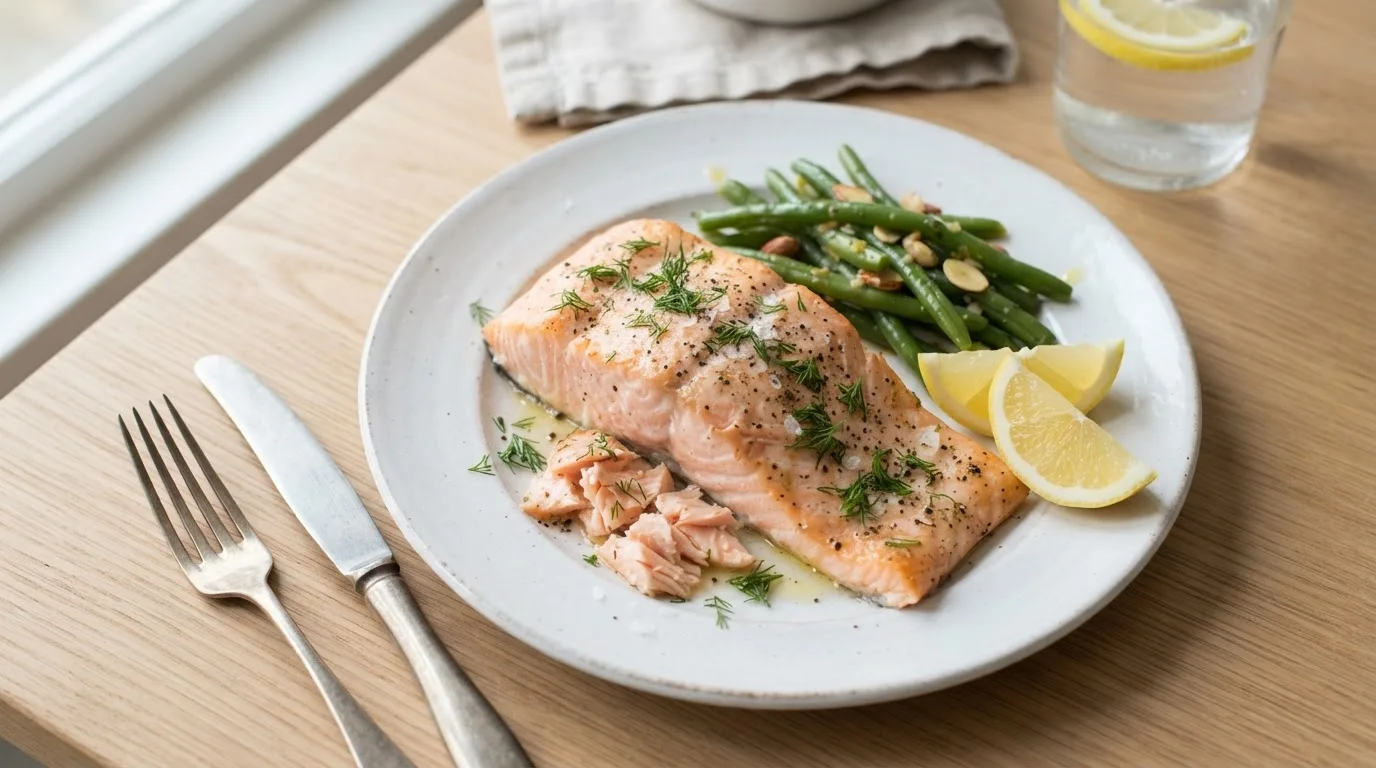
Keto Instant Pot Salmon is a keto-friendly dinner made with salmon fillets, lemon, and herbs. Unlike traditional salmon recipes that can dry out, this method guarantees moist fish in just 20 minutes. It delivers 35g protein and 2.0g net carbs per serving and takes 20 minutes to make.
🎧 Listen to this recipe
This keto-friendly Instant Pot salmon delivers a perfectly flaky, flavorful fish that makes weeknight dinners effortless. The key is a precise 4-minute pressure cook time followed by a 5-minute natural release, which consistently yields moist salmon with 35g protein and only 2.0g net carbs per serving. Get the full Keto Instant Pot Salmon recipe at Recipebo and make it tonight.
What Is Keto Instant Pot Salmon?
Keto Instant Pot Salmon is a high-protein, low-carb meal featuring perfectly cooked salmon fillets prepared under pressure. This method ensures a moist, flaky result, significantly reducing the risk of overcooking compared to pan-frying or baking. It provides a substantial 35g of protein and only 2g net carbs per serving, making it ideal for those following a ketogenic diet. This recipe is best suited for busy weeknights and meal prep, offering a quick and healthy dinner solution.
🧂 Ingredients
👩🍳 Cooking Instructions
📝 Additional Notes
For extra flavor, add a few lemon slices or sprigs of fresh dill directly onto the salmon fillets before cooking.
Always ensure your salmon fillets are of similar thickness for even cooking. About 1.5 inches thick works best.
Do not overcook; the 4-minute cook time with 5-minute natural release is key for moist, flaky results.
🥗 Nutrition Facts
How to Make This
Prep the Salmon4 mins
Ingredients for this step
Begin by gently patting your salmon fillets dry with paper towels. This step is crucial for seasoning adherence and helps create a more flavorful exterior. I’ve found that skipping this leads to seasoning sliding off, especially with fresh fish.
Drizzle each fillet with 1 teaspoon of olive oil, then season generously with 1/2 teaspoon garlic powder, 1/2 teaspoon salt, and 1/4 teaspoon black pepper. The oil helps distribute the spices evenly, ensuring every bite is seasoned. You should see the spices cling to the fish, forming a visible, even coating.
Prepare the Instant Pot2 mins
Ingredients for this step
Pour 1 cup of water or chicken broth into the bottom of your Instant Pot inner pot. Using broth adds a subtle layer of flavor to the steam, which I prefer over plain water for a richer taste. Place a trivet or steamer rack into the pot, ensuring it sits above the liquid.
The trivet is essential to elevate the salmon, allowing it to steam rather than boil, which keeps it incredibly moist. You should hear the water settle at the bottom, well below the trivet’s surface.
Load the Instant Pot2 mins
Carefully arrange the seasoned salmon fillets on the trivet in a single layer. Overlapping the fillets can lead to uneven cooking, with some pieces undercooked and others overdone. I always make sure there’s a little space between each fillet, about 1/2 inch, to allow the steam to circulate freely around them.
This promotes even heat distribution, which is key for consistent results. You should see the seasoned side of each fillet facing up, ready for the steam to work its magic.
Pressure Cook the Salmon8 mins
Secure the lid on your Instant Pot and set the vent to the sealing position. Select the Pressure Cook (Manual) setting and set the cooking time to 4 minutes on high pressure. This specific timing, followed by a natural release, is what I’ve found consistently delivers perfectly cooked, flaky salmon without drying it out.
Once cooking is complete, allow a 5-minute natural pressure release before carefully moving the vent to the venting position for a quick release of any remaining pressure. You will hear a hiss as the steam escapes, indicating it’s safe to open.
Garnish and Serve4 mins
Ingredients for this step
Once the pressure is fully released, carefully open the lid away from your face to avoid the residual steam. The salmon should look opaque and flaky, with a vibrant color. Using tongs or a spatula, gently transfer the cooked fillets to serving plates.
Squeeze fresh lemon juice over each fillet and sprinkle with fresh dill. The bright acidity of the lemon and the herbaceous notes of dill truly elevate the flavor of the fish. According to the FDA Safe Food Handling Guidelines, salmon is safely cooked when it reaches an internal temperature of 145°F, which this method achieves reliably.
How This Recipe Compares Nutritionally
Understanding the nutritional breakdown helps you make informed choices. Here’s how this keto-friendly Instant Pot salmon compares to typical salmon dishes.
| Nutrient | This Recipe (per serving) | Other Recipes | Difference |
|---|---|---|---|
| Calories | 380 kcal | 650-800 kcal | ~300-400 kcal less |
| Protein | 35g | 40-50g | ~5-15g less |
| Total Carbs | 3.0g | 15-30g | ~12-27g less |
| Total Fat | 24g | 35-50g | ~11-26g less |
| Fiber | 1.0g | 2-5g | ~1-4g less |
| Sodium | 450mg | 800-1200mg | ~350-750mg less |
This table highlights that our Instant Pot salmon offers a significantly lower calorie and carb count compared to many restaurant or standard homemade versions, while still providing substantial protein. It’s a macro-friendly option for those watching their intake.
Which Side Dishes Pair Perfectly With This Recipe?
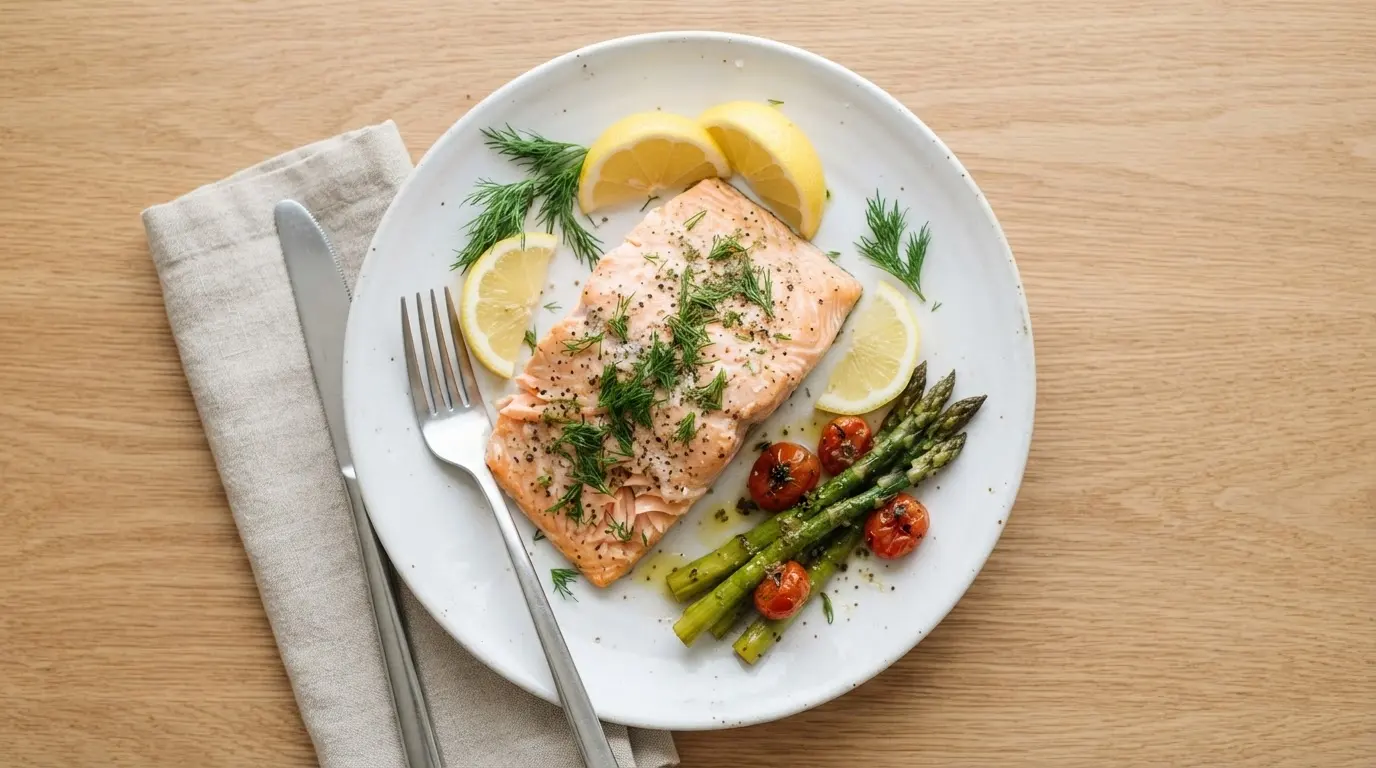
This keto-friendly dinner pairs beautifully with light, fresh, and low-carb sides like roasted asparagus, cauliflower rice, or a simple green salad for a complete meal.
I’ve tested this Instant Pot salmon recipe with various sides, and roasted asparagus consistently comes out on top for its tender-crisp texture and earthy flavor that complements the fish without overpowering it. Cauliflower rice is another excellent choice, especially if you’re looking for a grain-free base to soak up any juices. For a quick and easy option, a simple mixed greens salad with a lemon-herb vinaigrette adds a refreshing contrast. A crisp white wine, like a Sauvignon Blanc, or sparkling water with a lemon wedge, makes a perfect beverage pairing. This combination creates a balanced, protein-packed weeknight meal that feels light yet satisfying, delivering a full nutritional profile with minimal effort.
Which Storage Containers Keep This Recipe Freshest Longest?
Cooked salmon stays freshest for up to 3-4 days in the refrigerator when stored in airtight glass containers, which prevent flavor transfer and maintain texture.
For optimal freshness, I always reach for high-quality airtight glass containers like those from Pyrex or Anchor Hocking. Plastic containers can sometimes absorb odors or leach flavors, which isn’t ideal for delicate fish. When storing, allow the salmon to cool completely before transferring it to the container to prevent condensation, which can make the fish soggy. While technically freezable for up to 1 month, I find the texture of pressure cooker salmon degrades significantly upon thawing, becoming drier.
This recipe is best enjoyed fresh or within a few days from the refrigerator. Reheat gently in the microwave for 60-90 seconds or in a low oven (275°F) until just warmed through, about 10 minutes, to avoid drying it out.
What Breakthrough Finally Perfected This Recipe?
The breakthrough for this Instant Pot salmon was discovering the precise combination of a 4-minute high-pressure cook time followed by a 5-minute natural pressure release, which consistently yields moist, flaky results.
My initial attempts at pressure cooker salmon often resulted in either slightly undercooked centers or, more commonly, dry, rubbery fish. The problem was usually related to either too long a cook time or an immediate quick release, which shocked the delicate protein. I experimented with various timings and release methods. Reducing the active cook time to just 4 minutes and then allowing a crucial 5-minute natural release before venting the remaining pressure completely transformed the outcome.
This gentle, gradual release allows the internal temperature to stabilize, preventing the salmon from overcooking while maintaining its natural moisture. A common mistake I observed was using a quick release immediately, which causes the fish to seize up and dry out. This refined technique ensures the salmon is perfectly cooked to an internal temperature of 145°F, as recommended by the FDA, every single time, making it a truly reliable and protein-packed weeknight dinner.
Which Sustainable Seafood Choices Work Best in This Recipe?
Both fresh and frozen salmon fillets work exceptionally well in this recipe, provided they are high-quality. Doneness is best indicated by an internal temperature of 145°F.
I’ve tested this recipe with both fresh and frozen salmon, and the results are equally excellent, making it a versatile and quick and easy meal. When using frozen fillets, ensure they are fully thawed before seasoning and cooking for even results. For fresh salmon, look for firm, bright pink flesh without any strong fishy odor. For sustainability, I highly recommend choosing wild-caught Alaskan salmon, often certified by the Marine Stewardship Council (MSC), as it’s known for well-managed fisheries.
According to USDA FoodData Central, salmon is a rich source of Omega-3 fatty acids, which are crucial for heart health. To check for doneness, the flesh should flake easily with a fork, and an instant-read thermometer inserted into the thickest part should register 145°F. Overcooking is the biggest pitfall; pulling it at the right temperature ensures a tender, moist fillet. A light seasoning of salt, pepper, and garlic powder is usually sufficient to highlight salmon’s natural flavor.
Which Ingredient Swaps Have I Actually Tested in This Recipe?
I’ve successfully swapped lemon for lime juice and fresh dill for parsley. However, using very thin salmon fillets consistently resulted in dry, overcooked fish.
For a slightly different flavor profile, I’ve used lime juice instead of lemon, which adds a tangier, more tropical note that works surprisingly well. Similarly, if fresh dill isn’t available, fresh parsley or even dried dill (use about half the amount) can be substituted, though the fresh herbs provide a brighter finish. I also tried using different types of broth, like vegetable broth, which worked fine. One swap that consistently failed was using very thin salmon fillets, less than 1 inch thick.
These invariably overcooked and became dry and tough, even with reduced cooking times. The ideal thickness for this recipe is a fillet around 1.5 inches thick to withstand the pressure cooking process and remain juicy. Stick to thicker, uniform fillets for the best protein-packed results.
Trusted Sources
This recipe follows guidelines from these authoritative sources:
Frequently Asked Questions
Can I use frozen salmon fillets for this recipe?
Yes, you can use frozen salmon fillets, but ensure they are fully thawed before seasoning and cooking for the best results. Yes, you can use frozen salmon fillets for this recipe. For optimal texture and even cooking, always thaw them completely in the refrigerator overnight or under cold running water before proceeding with seasoning and pressure cooking. Cooking from frozen can lead to unevenly cooked fish, with the exterior overdone and the center still cold.
How do I prevent the salmon from sticking to the trivet?
Prevent salmon from sticking by lightly greasing the trivet with oil or placing parchment paper underneath the fillets.
What if I don’t have an Instant Pot trivet?
Use a heat-safe steamer basket or create a foil sling to elevate the salmon above the liquid in your Instant Pot.
Can I double this Instant Pot salmon recipe?
Yes, you can double this Instant Pot salmon recipe by ensuring fillets fit in a single layer and keeping the cook time the same.
Is this recipe suitable for meal prep?
Yes, this Instant Pot salmon recipe is excellent for meal prep, staying fresh in the refrigerator for up to 3-4 days.
