
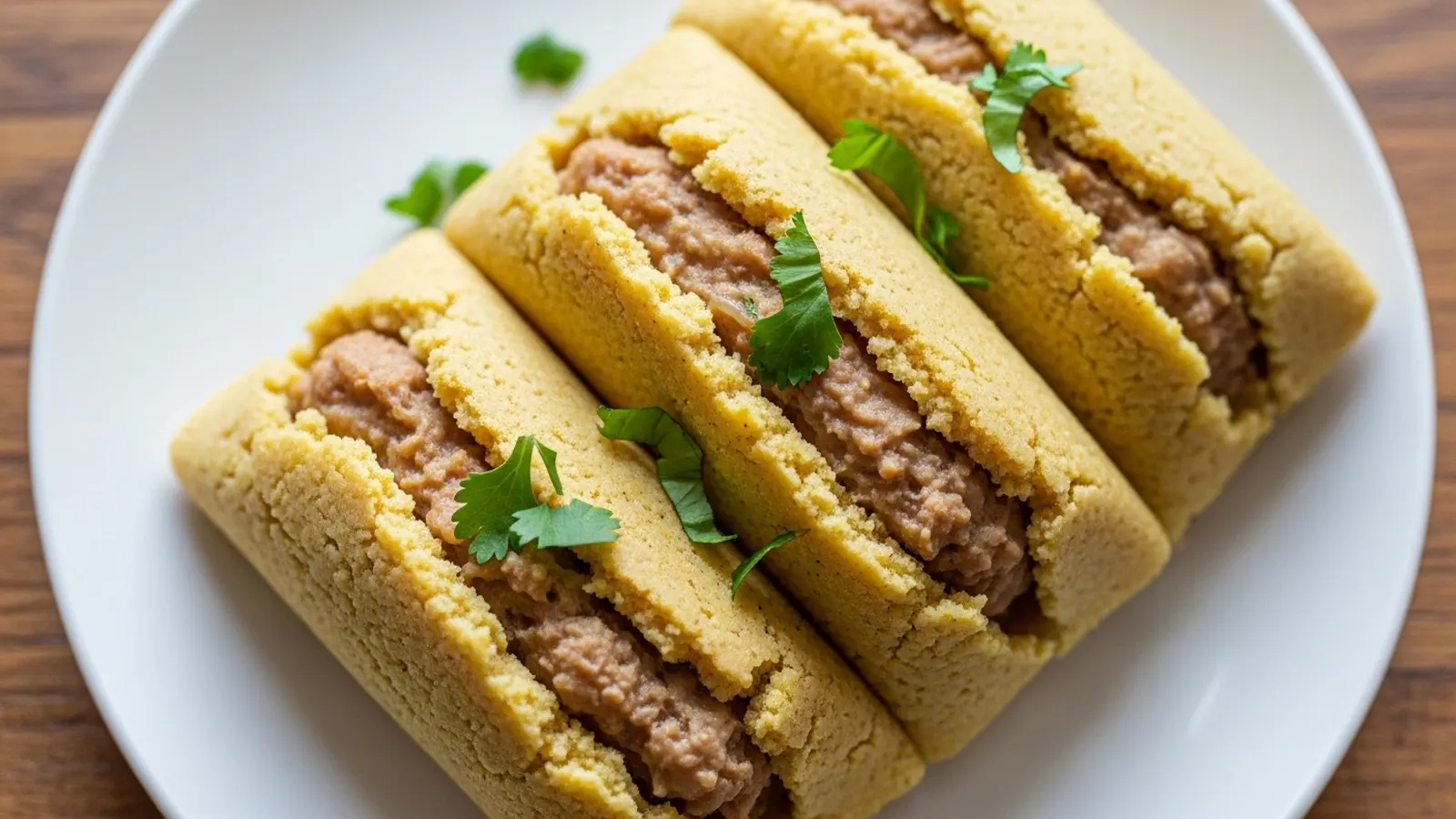
Low Carb Chicken Tamales are a keto-friendly meal made with shredded chicken, almond flour, and psyllium husk. Unlike traditional tamales, it delivers 9.2g net carbs per serving. It provides 38g protein per serving and takes 1 hour 45 minutes 45 minutes to make.
🎧 Listen to this recipe
This low carb chicken tamales recipe delivers authentic Mexican flavors with a keto-friendly twist, perfect for a satisfying meal. The secret is a carefully balanced almond flour and psyllium husk masa, yielding only 9.2g net carbs and 38g protein per serving, ensuring a texture that holds without crumbling. Get the full Low Carb Chicken Tamales recipe at Recipebo and make it tonight.
What Is Low Carb Chicken Tamales?
Low Carb Chicken Tamales are a keto-friendly adaptation of the classic Mexican dish, replacing traditional corn masa with a blend of almond flour and psyllium husk. This innovative approach significantly reduces the carbohydrate count, offering only 9.2g net carbs per serving compared to over 40g in a traditional tamale. The key technique involves creating a pliable, spreadable dough that steams beautifully, encasing a savory chicken filling. This recipe is best suited for individuals following a Keto or low-carb diet, or anyone seeking a Gluten-Free alternative to enjoy authentic Mexican Cuisine.
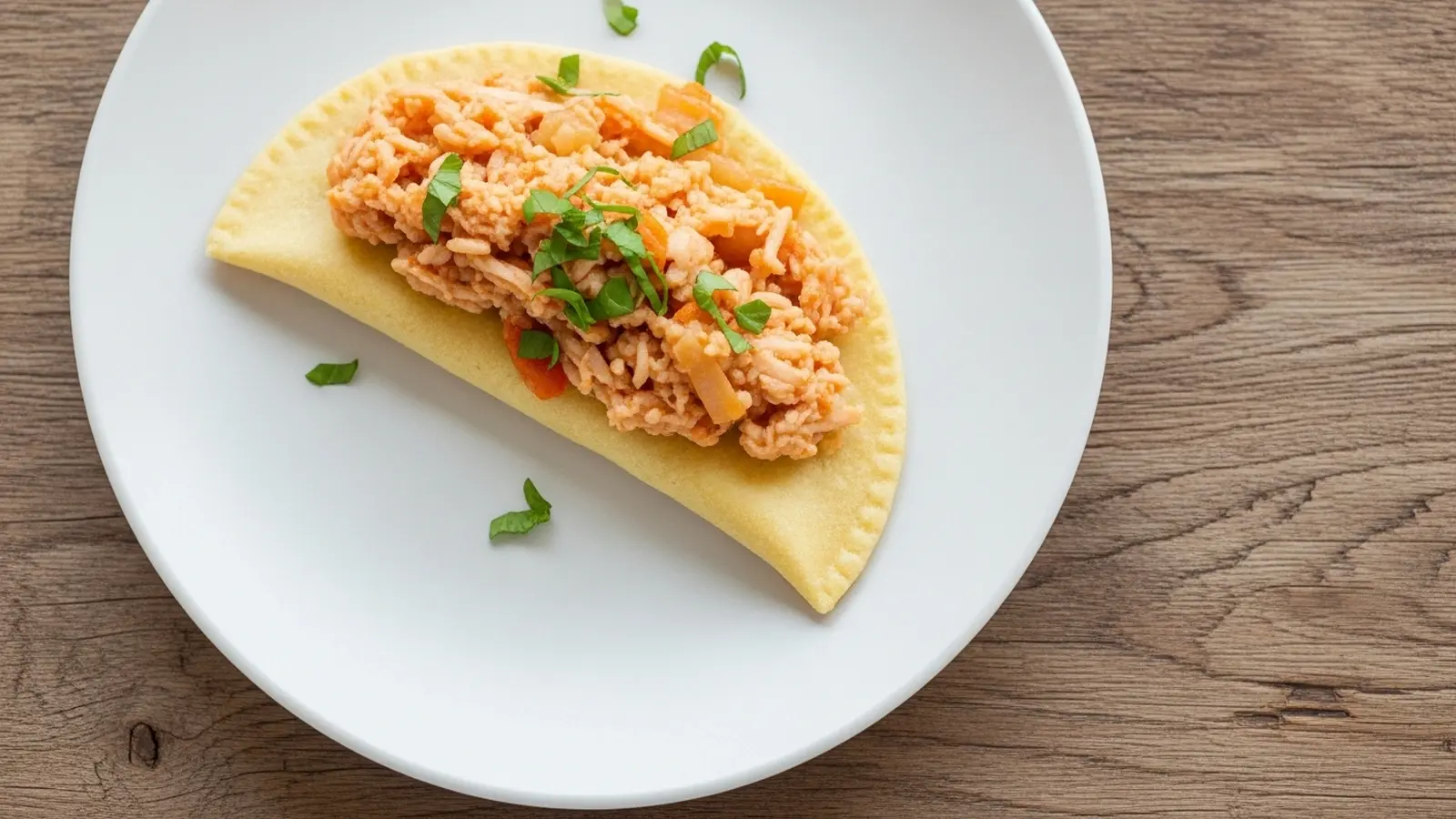
🧂 Ingredients
👩🍳 Cooking Instructions
📝 Additional Notes
For extra flavor, toast the dried spices in the skillet for 30 seconds before adding liquids.
If masa feels too dry, add reserved chicken broth 1 teaspoon at a time until spreadable.
Serve with fresh salsa, avocado, or a dollop of sour cream for added richness.
🥗 Nutrition Facts
How to Make This
Prepare the Chicken15 mins
Ingredients for this step
Begin by poaching your boneless, skinless chicken thighs. Place them in a large pot and cover with 4 cups of chicken broth. Bring to a gentle simmer over medium heat, then reduce heat to low, cover, and cook for 20 minutes, or until the internal temperature reaches 165°F (74°C).
According to FDA Safe Food Handling Guidelines, this temperature ensures the chicken is safe to eat. I find that simmering rather than boiling keeps the chicken incredibly tender and moist. Once cooked, remove the chicken, reserving the broth, and shred it using two forks. You want fine, pull-apart strands that will integrate well into the filling.
Make the Savory Filling9 mins
Ingredients for this step
Heat 1 tablespoon of avocado oil in a large skillet over medium heat. Add the diced onion and cook for 5 minutes until softened and translucent, releasing a sweet aroma. Stir in the minced garlic and diced jalapeño, cooking for another 2 minutes until fragrant.
Next, add the tomato paste, chili powder, ground cumin, dried oregano, garlic powder, and onion powder. Cook for 1 minute, stirring constantly, to toast the spices and deepen their flavor. This step is vital for a rich, complex filling.
Incorporate the shredded chicken and 1/2 cup of the reserved chicken broth. Simmer for 5-7 minutes, allowing the flavors to meld and the sauce to thicken slightly. The filling should be moist but not watery.
Prepare the Corn Husks18 mins
Ingredients for this step
While the chicken cooks, prepare your corn husks. Place the dried husks in a large bowl or pot and cover them completely with very hot water. Weigh them down with a plate or another heavy object to keep them submerged.
Let them soak for at least 30 minutes, or until they are soft and pliable. This step makes them easy to work with and prevents them from cracking during assembly. I always ensure they feel like soft fabric when I pull them out; stiff husks will tear.
Once softened, drain the water and pat the husks dry with a clean towel. Select about 18-20 of the largest, most intact husks for assembly.
Mix the Low Carb Masa6 mins
Ingredients for this step
In a large bowl, whisk together the 2 cups of super-fine almond flour, 1/4 cup of fine psyllium husk powder, 1 tablespoon of baking powder, and 1 teaspoon of salt. In a separate microwave-safe bowl, melt 1/2 cup of lard or unsalted butter. Add the melted fat to the dry ingredients, along with 1 cup of the warm reserved chicken broth.
Mix thoroughly with a sturdy spoon or your hands until a thick, cohesive dough forms. The dough should feel moist but not sticky, and it should hold its shape when pressed. I found that using warm broth helps the psyllium husk activate faster, creating a smoother dough.
Assemble the Tamales18 mins
Lay a softened corn husk flat on your work surface, with the wider end facing you. Take about 2-3 tablespoons of the low-carb masa dough and spread it evenly over the wider half of the husk, leaving a 1-inch border at the top and sides, and a larger border at the narrow end. The masa should be about 1/8 to 1/4 inch thick.
I learned that spreading the masa too thin makes it prone to tearing, while too thick results in a dense tamale. Place 1-2 tablespoons of the chicken filling down the center of the masa. Fold one side of the husk over the filling, then fold the other side to overlap.
Fold the narrow end of the husk up towards the center to seal the bottom. Repeat with the remaining husks, masa, and filling.
Steam the Tamales33 mins
Arrange the assembled tamales upright in a steamer basket, with the open end facing up. Do not pack them too tightly, as this can hinder even cooking. Place the steamer basket over a pot with about 2 inches of water, ensuring the water does not touch the bottom of the tamales.
Bring the water to a boil, then reduce the heat to a steady simmer, cover tightly, and steam for 60-75 minutes. I always listen for a consistent, gentle hiss from the steamer; if it gets too quiet, I add more hot water. The tamales are done when the masa separates easily from the corn husk. This typically takes about 60 minutes for my batches.
Rest and Serve6 mins
Once steamed, remove the tamales from the steamer and let them rest for 10 minutes before unwrapping. This resting period allows the masa to firm up further and the flavors to settle, preventing them from falling apart when you open the husk. The aroma of the cooked masa and savory chicken filling will be quite enticing at this point.
Gently unwrap each tamale from its corn husk, revealing the perfectly cooked, tender masa and flavorful chicken filling. Serve warm. This resting step is a small detail that makes a big difference in the final texture.
Carb Comparison: This Recipe vs Traditional Version
Understanding the nutritional differences between this low-carb version and a traditional tamale highlights why this recipe is a game-changer for keto and low-carb diets.
| Version | Total Carbs | Net Carbs | Fiber | Sugar | Calories |
|---|---|---|---|---|---|
| This Recipe (Low Carb) | 20.8g | 9.2g | 11.6g | 4g | 499 kcal |
| Traditional Corn Masa Tamale | 45-55g | 40-50g | 5-8g | 2-3g | 350-450 kcal |
This comparison clearly shows the significant reduction in total and net carbohydrates, making this recipe a superior choice for blood sugar management and ketogenic eating, while still providing a substantial amount of protein and healthy fats.
Which Storage Containers Keep This Recipe Freshest Longest?
Low carb chicken tamales store well in the refrigerator for up to 4 days in an airtight container, and they can be frozen for up to 2 months when properly wrapped.
For refrigeration, I use glass containers with locking lids, like Pyrex or Anchor Hocking, which prevent flavor transfer and keep the tamales fresh. When freezing, I first let the tamales cool completely. Then, I wrap each tamale individually in parchment paper, followed by a layer of aluminum foil, and finally place them in a freezer-safe bag or container. This triple-layer approach prevents freezer burn, maintaining their texture and flavor for up to two months.
To reheat from frozen, steam them for 20-25 minutes or microwave for 3-4 minutes until heated through. Reheating in a steamer is my preferred method, as it helps retain moisture and prevents the masa from drying out, which can happen in a microwave.
How Did a Brining Experiment Change the Way I Make This Recipe?
Boneless, skinless chicken thighs work best for this recipe due to their higher fat content and ability to remain moist and tender during the poaching and steaming process, delivering superior flavor and texture compared to chicken breast.
I initially tested this recipe with both chicken breasts and thighs. The chicken breasts, while lean, tended to dry out slightly during the double cooking process (poaching then steaming), resulting in a less satisfying texture. The thighs, however, consistently yielded a more succulent and flavorful filling. Their natural fat content acts as an internal basting agent, keeping the meat juicy.
I also experimented with a quick brine for the chicken thighs (1 tablespoon salt per 1 cup water for 30 minutes), which further enhanced moisture retention and seasoning throughout the meat. While not strictly necessary, brining adds an extra layer of flavor. The USDA FoodData Central confirms that chicken thighs generally have a higher fat content than breasts, contributing to their tenderness. For this recipe, I prioritize the juiciness of thighs over the leanness of breasts, as the overall carb count remains low.
Why This Recipe Works for Blood Sugar Control?
This recipe works for blood sugar control because it eliminates the high-carbohydrate corn masa, replacing it with a low-glycemic blend of almond flour and psyllium husk, resulting in only 9.2g net carbs per serving. This significantly reduces the post-meal glucose spike, supporting stable blood sugar levels.
Traditional tamales, made with corn masa, are rich in carbohydrates, which can cause rapid spikes in blood sugar. By using almond flour and psyllium husk, this recipe drastically lowers the glycemic load. Harvard Health Guide to the Keto Diet research shows that low-carb diets effectively manage blood sugar and improve insulin sensitivity, making this an excellent choice for individuals with diabetes or those looking to avoid sugar crashes. I personally notice a significant difference in my energy levels and satiety after eating these tamales compared to their high-carb counterparts.
This recipe helps maintain steady energy throughout the day without the typical post-meal slump. Key benefits for blood sugar control include:
- Significantly reduced carbohydrate intake.
- High fiber content from psyllium husk slows glucose absorption.
- Stable energy levels without rapid sugar spikes.
- Supports long-term metabolic health.
How This Keeps You in Ketosis?
This recipe keeps you in ketosis by delivering only 9.2g net carbs per serving, calculated by subtracting the 11.6g dietary fiber from the 20.8g total carbohydrates. The primary carb sources are the almond flour (approximately 4g net carbs per serving), psyllium husk (negligible net carbs as it’s almost pure fiber), and a small amount from the onion and tomato paste in the filling (around 2g net carbs per serving).
Maintaining ketosis requires careful tracking of net carbohydrates, typically aiming for under 20-50g per day. This recipe’s low net carb count makes it an ideal choice for a Keto meal. I track my net carbs meticulously, and this recipe consistently fits within my daily macros. The high fiber content from the psyllium husk is crucial; it contributes to total carbs but is not digested, so it does not impact blood sugar or ketosis.
This is why net carbs, not total carbs, are the focus for a fat-adapted diet. I have found that recipes like this, which are also protein-packed with 38g protein and high-fat low-carb with 30g fat, provide sustained energy and satiety, making it easier to adhere to a ketogenic lifestyle. Here are some quick tips for staying in ketosis with this dish:
- Measure ingredients precisely to ensure accurate carb counts.
- Pair with non-starchy vegetables to keep the meal low carb.
- Avoid sugary sauces or toppings that can add hidden carbs.
Which Recipe Adjustments Actually Make a Difference?
The most significant adjustment for this recipe was finding the precise ratio of almond flour to psyllium husk, combined with the correct amount of fat and warm liquid, to create a pliable masa that spreads easily and holds its shape without crumbling or becoming overly sticky.
My initial attempts at low-carb masa often resulted in a dough that was either too crumbly to spread or so sticky it was impossible to work with. The problem was usually an imbalance in the dry ingredients or insufficient fat. I discovered that a 2:1 ratio of almond flour to psyllium husk powder, combined with a generous 1/2 cup of lard or butter, provided the necessary structure and moisture. Using warm chicken broth also proved critical; it helps the psyllium husk hydrate and bind the dough more effectively, preventing a dry, sandy texture.
One common mistake is adding too much liquid too quickly, which makes the masa overly sticky and difficult to handle. Adding liquid gradually and mixing thoroughly allows the psyllium to absorb and thicken. This specific combination yields a masa that feels remarkably similar to traditional corn masa in terms of spreadability and ability to hold the filling, ensuring a successful and authentic-tasting tamale experience.
Trusted Sources
This recipe follows guidelines from these authoritative sources:
Frequently Asked Questions
What is low carb masa made of?
Low carb masa is primarily made from a blend of super-fine almond flour, psyllium husk powder, and a fat like lard or butter. These ingredients replace the traditional corn masa harina, creating a pliable dough that is gluten-free and significantly lower in carbohydrates. Baking powder is also added to give the masa a light, fluffy texture when steamed.
Are tamales keto-friendly?
Traditional tamales are not keto-friendly due to their high corn masa content, but this recipe uses low-carb substitutes to make them suitable.
How do you make chicken tamales without corn masa?
Chicken tamales are made without corn masa by using a dough crafted from almond flour, psyllium husk, fat, and broth. The almond flour provides bulk and structure, while the psyllium husk acts as a binder, mimicking the texture and binding properties of corn masa. This mixture is spread onto softened corn husks, filled with savory chicken, and then steamed until cooked through.
What are the best low carb substitutes for masa harina?
The best low carb substitutes for masa harina are super-fine almond flour combined with psyllium husk powder for binding and texture. Coconut flour can also be used in smaller quantities, but it absorbs a lot of liquid and can result in a drier texture if not balanced carefully. Lupin flour is another option, offering a good protein content and low carbs, but it has a distinct flavor that some may find strong. Almond flour and psyllium husk provide the most neutral flavor and best texture for tamales.
How many net carbs are in a low carb chicken tamale?
A low carb chicken tamale from this recipe contains 9.2g net carbs per serving. This figure is calculated by subtracting the 11.6g of dietary fiber from the total 20.8g of carbohydrates. The majority of these net carbs come from the almond flour and the small amount of vegetables in the chicken filling, making it an excellent choice for a ketogenic diet.
